
Last updated August 27, 2026
Free in-home measure and quote - PGT, CGI and CWS impact lines compared on your actual openings, style by style
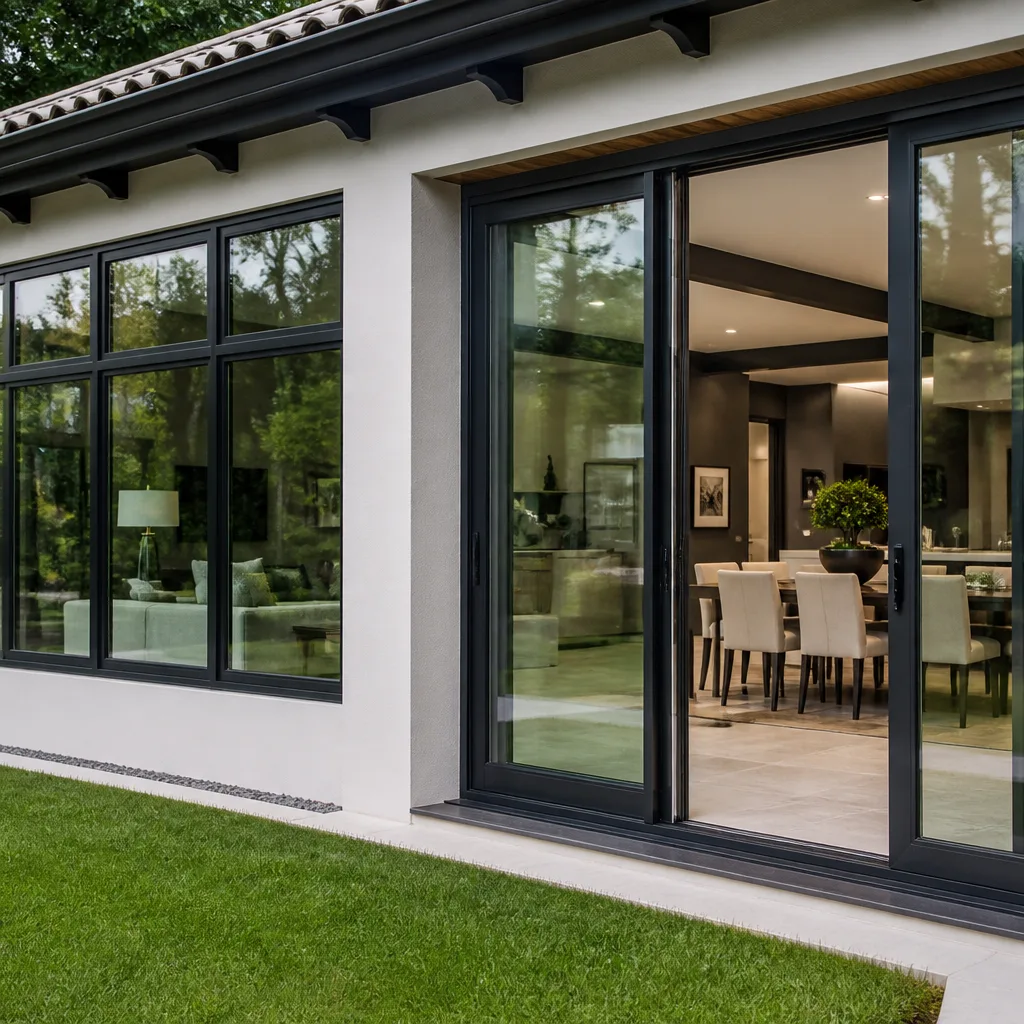
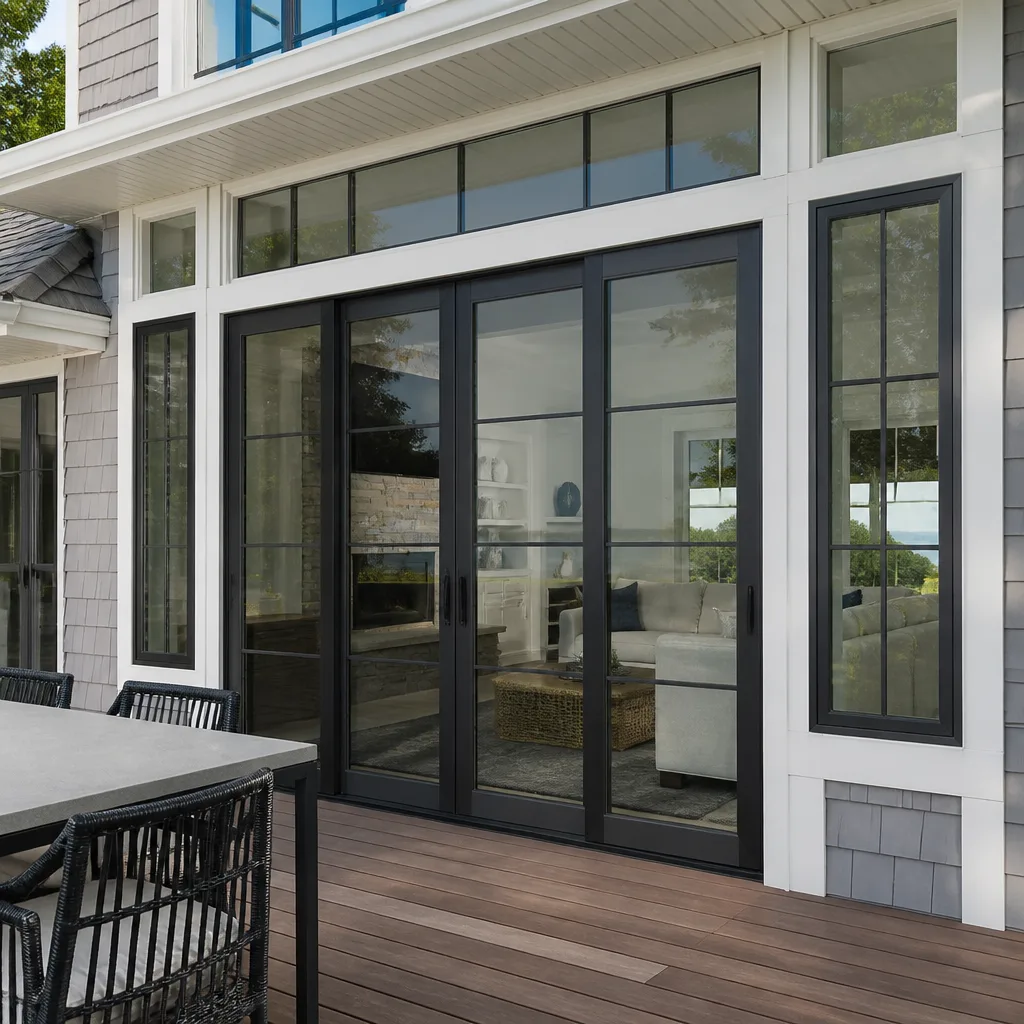
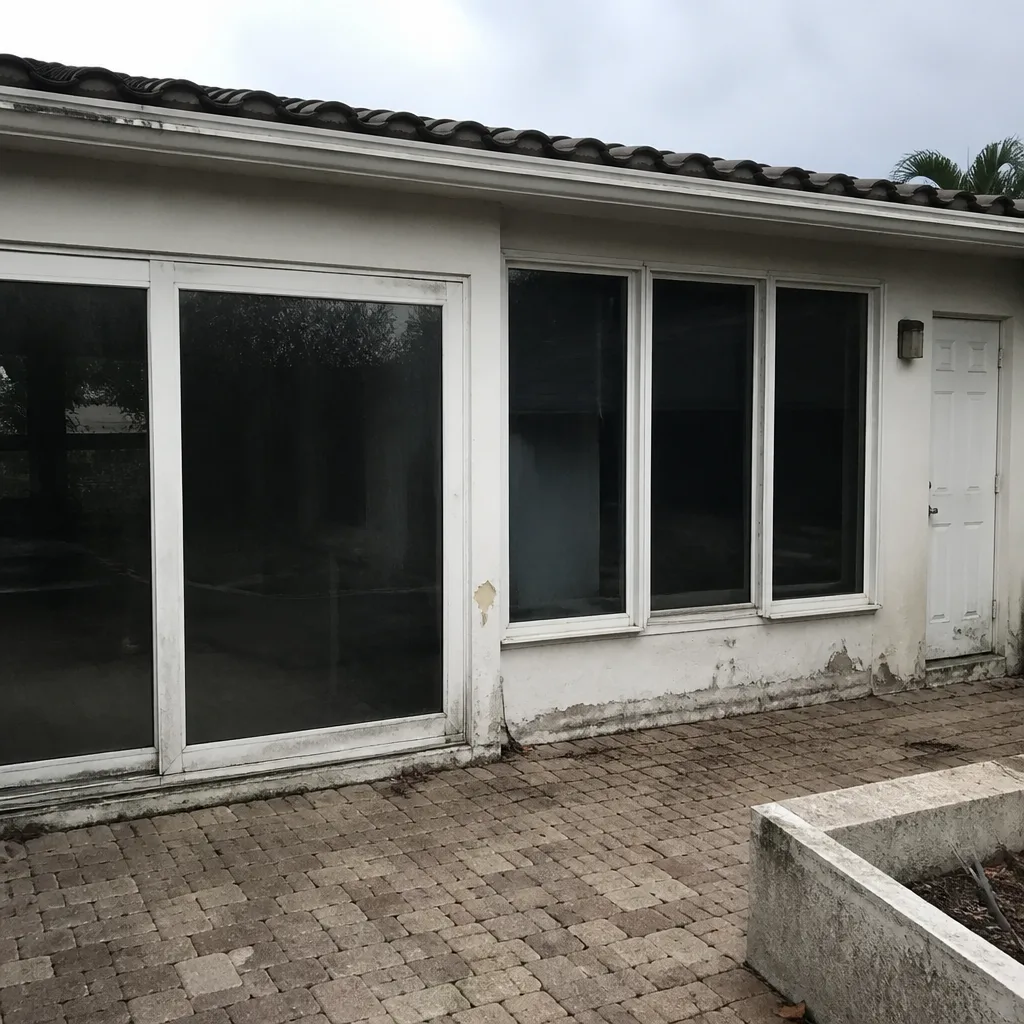 Before
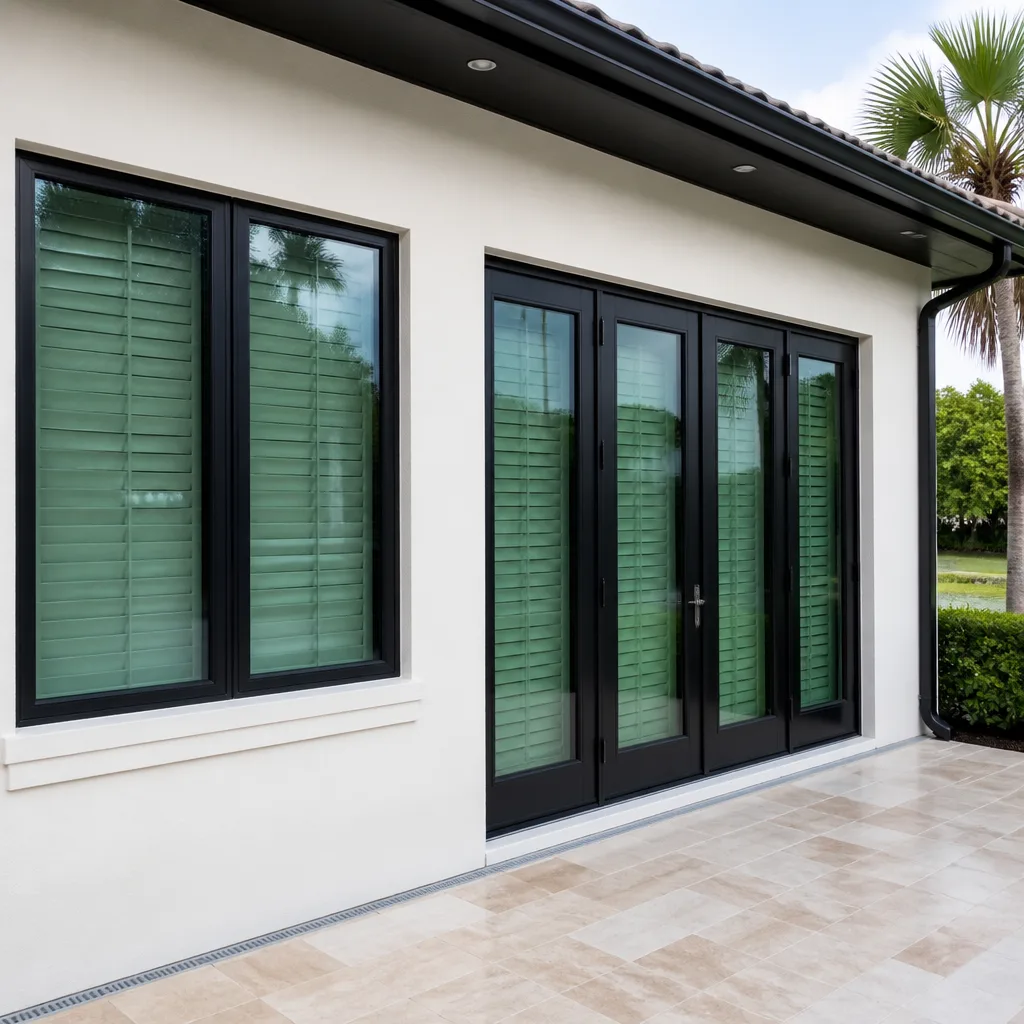 After
After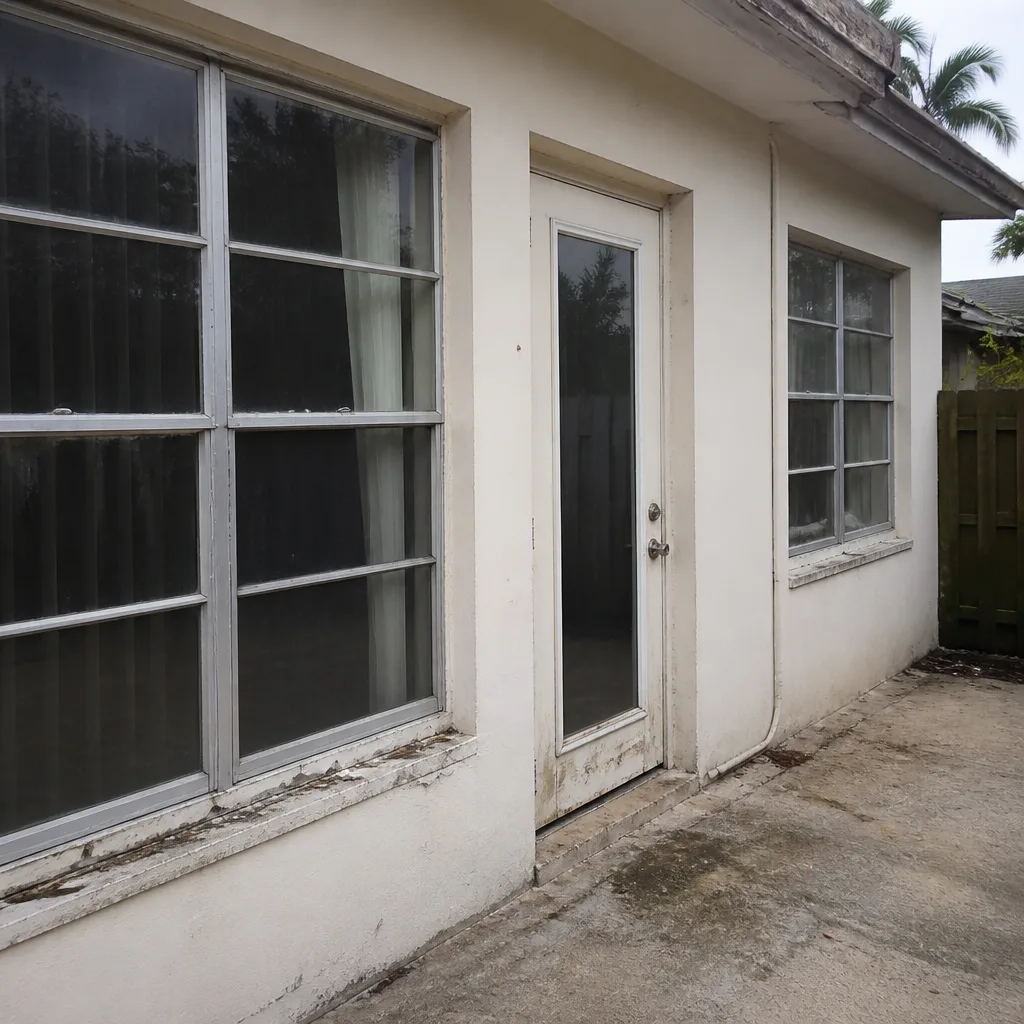 Before
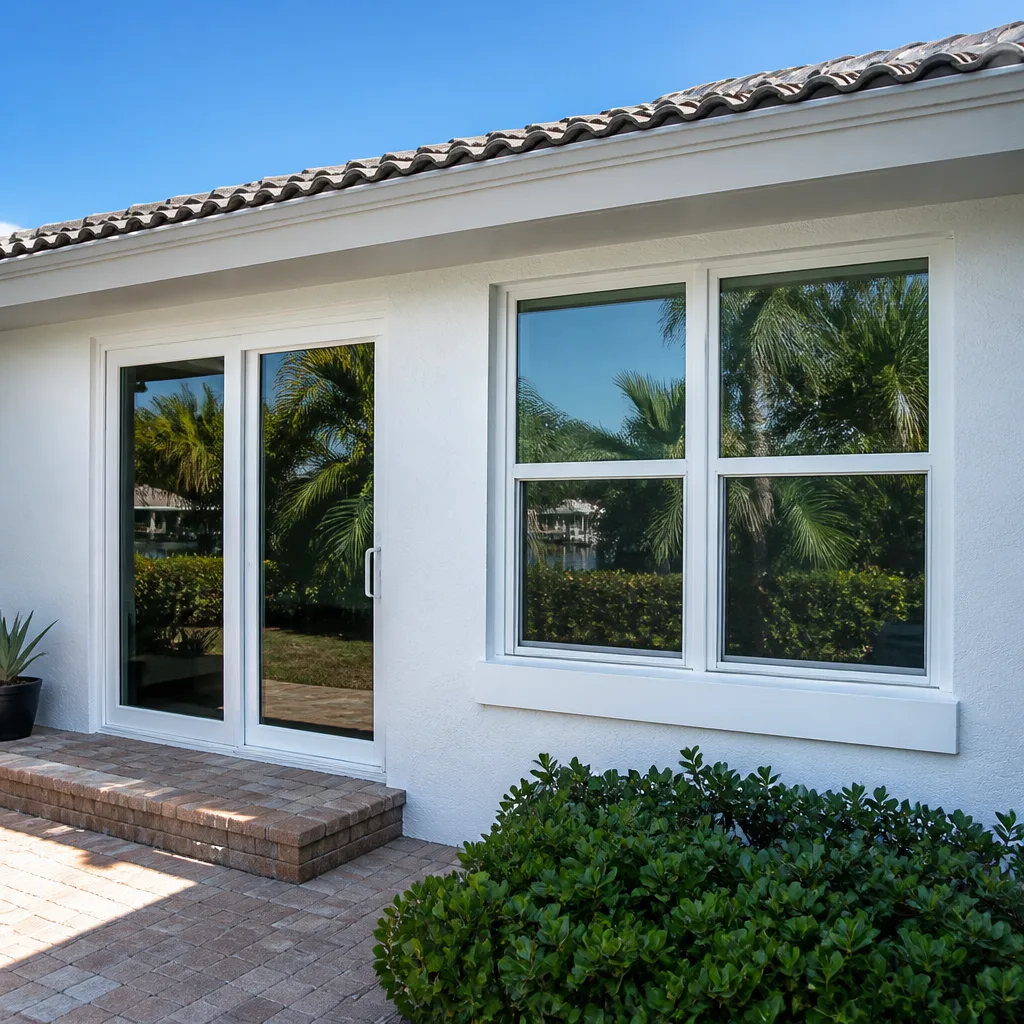 After
After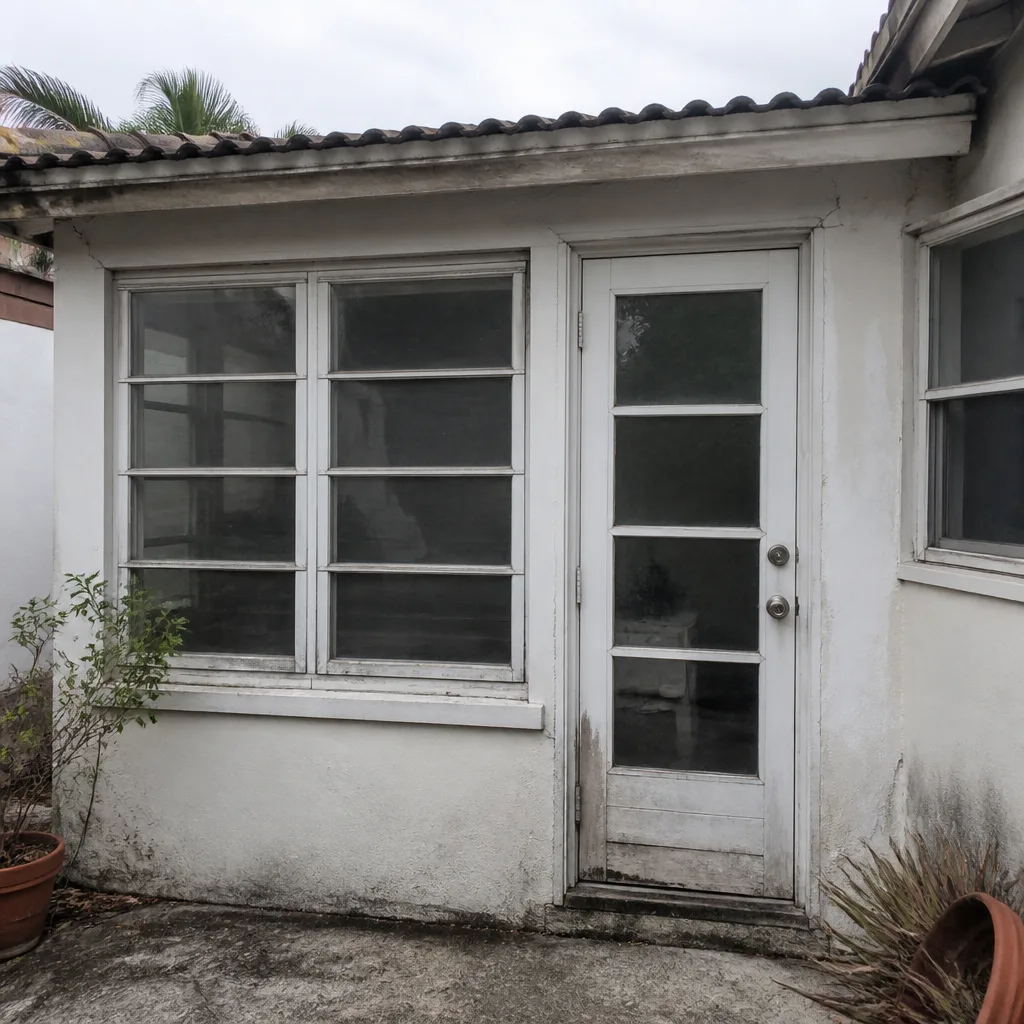 Before
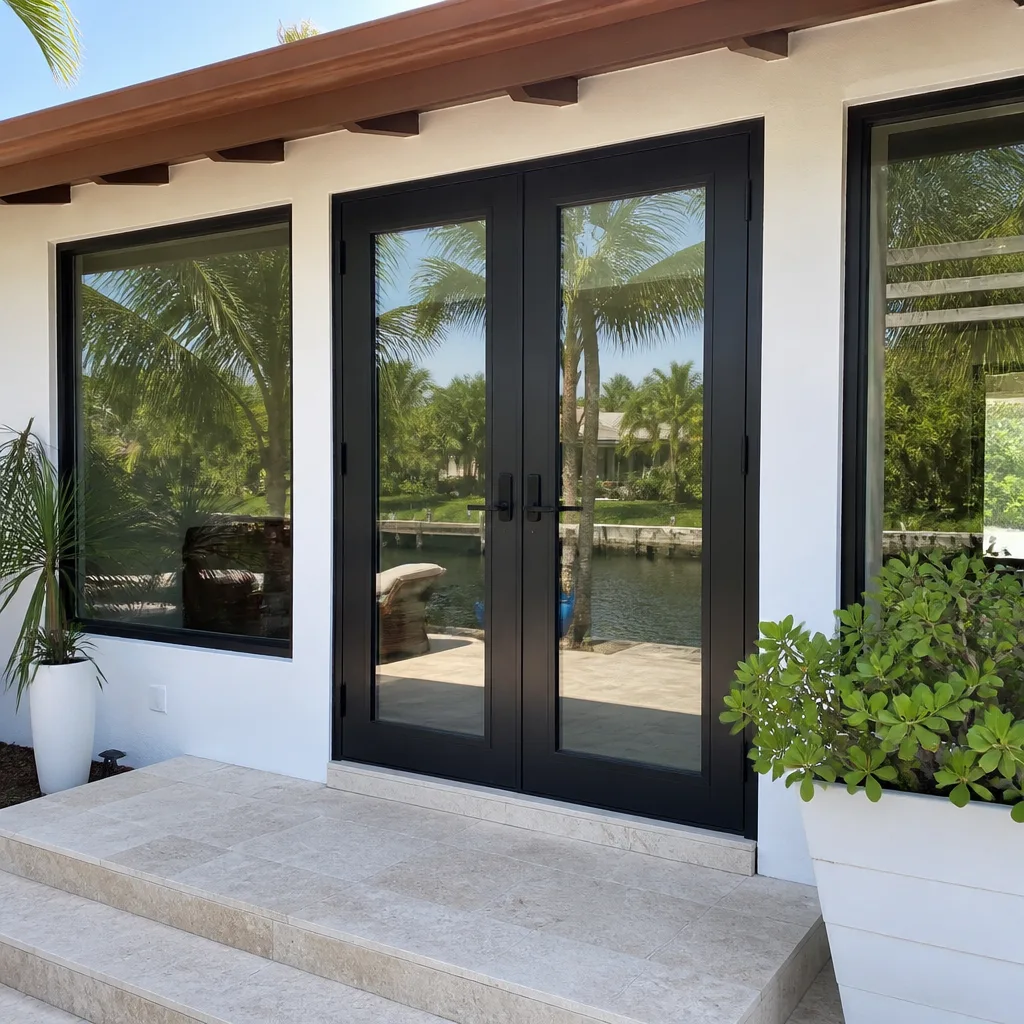 After
AfterDIY vs Professional Windows & Doors: The Fort Lauderdale Homeowner’s Decision Guide
Florida Statute 489.103 looks generous on paper: it lets homeowners pull their own permits and act as their own contractor. What it doesn’t tell you is that Broward County sits inside the High Velocity Hurricane Zone, where a window installation must meet Miami-Dade Product Control standards, pass a county inspection, and hold up under winds that turn a badly anchored frame into a projectile. A failed inspection on an owner-builder permit means there is no contractor to call back. You own the problem, and under Florida law, that problem follows the title when you sell. This guide walks the exact line between what a Fort Lauderdale homeowner can legally and practically do alone, and where the cost of going pro is cheaper than the cost of getting it wrong.
Quick Answer
For structural window and exterior door replacement in Fort Lauderdale, professional installation is the only route that keeps you legal, insured, and protected under Florida’s HVHZ building code, as detailed in our How to Hire a Windows & Doors Contractor in Fort Lauderdale: A Step-by-Step Guide. DIY makes honest sense for a narrow set of finish tasks: interior trim, hardware swaps, and weatherstripping on existing frames. The line is drawn by permit triggers, product approvals, and the insurance policy sitting in your drawer right now.
Table of Contents
- What Florida’s Owner-Builder Exemption Actually Allows
- The HVHZ Reality: Why Fort Lauderdale Is Not Like Orlando or Atlanta
- What Impact Window Installation Actually Involves
- Where DIY Genuinely Makes Sense in Fort Lauderdale
- The Insurance Implications of a Self-Installed Window
- The Cost-Honest Comparison: What DIY Actually Saves
- Doors: A Different Risk Calculation
- Common Mistakes to Avoid
- When to Call a Professional
- Frequently Asked Questions
What Florida’s Owner-Builder Exemption Actually Allows
The owner-builder exemption is real, but it is not a free pass. Florida Statute 489.103(7) lets a homeowner act as their own contractor for work on their primary residence, provided they sign an affidavit swearing they live in the home and intend to do the work themselves or hire licensed subcontractors directly. Here is what that signature actually commits you to, whether anyone explains it at the permit counter or not.
- You become the general contractor of record. That means you are legally responsible for code compliance, worker safety, and any subcontractor you hire. If a day laborer gets hurt on your job, your homeowner’s policy may not cover it unless you specifically added workers’ comp coverage for the project.
- You accept liability for the installation for the life of the permit. Broward County requires inspections on window and door replacements. If the inspector fails your work, you either fix it yourself or hire someone to correct it, and you pay for the re-inspection out of your own pocket.
- You must disclose owner-builder work when you sell. Florida law requires sellers to disclose unpermitted work, and owner-builder work that fails to meet code can come back as a title defect. Buyers’ inspectors in Fort Lauderdale specifically look for window installations that do not match county permit records.
- You cannot legally do it on a home you don’t live in. Investment properties, rentals, and flips do not qualify for the owner-builder exemption. That means a landlord in Victoria Park or a flipper in Sailboat Bend cannot legally DIY impact window installation, period.
The exemption exists to let a homeowner take genuine responsibility for their own home. The mistake is treating it as a discount coupon. In our experience across Fort Lauderdale, the homeowners who do best with owner-builder work are retired engineers, commercial glaziers, and people who already understand torque specs. Everyone else is gambling with a structure designed to protect them from a hurricane.
The HVHZ Reality: Why Fort Lauderdale Is Not Like Orlando or Atlanta
Broward County sits inside the High Velocity Hurricane Zone, a designation set by the Florida Building Code that imposes the strictest wind-load requirements in the continental United States. The practical effect: a window installed correctly in Tampa or Jacksonville would fail inspection in Fort Lauderdale. The math changes because the wind speeds the structure must resist change, and with them, the fastening schedules, the anchoring requirements, and the product approvals.
A Miami-Dade Notice of Acceptance, or an equivalent Florida Product Approval, is not a suggestion. The product itself, the anchor type, the anchor spacing, and the installation method must match the approval drawings. If the approval says a specific impact window requires a specific screw at a specific spacing into a specific substrate, and the installer does something different, the installation is non-compliant even if the window is a PGT or CGI unit straight off the approved list. The homeowner who buys a code-approved impact window and anchors it with whatever screws are in the garage has not installed a code-compliant window. They have installed a very expensive liability.
This is the point where national DIY guides fall apart. A YouTube video filmed in Texas does not account for what a Fort Lauderdale inspector is looking for, because a Texas inspector is not looking for it. The Fort Lauderdale inspector is checking the product approval number against the permit, verifying fastener type and spacing against the drawings, and inspecting the sealant application, because the sealant is part of the water barrier, not a cosmetic detail. The homeowner who does not know which silicone meets the code’s requirement for impact window perimeter sealing is going to fail that inspection, and the fix is not a bead of caulk. It is a full removal and re-set of the window.
What Impact Window Installation Actually Involves
Here is the part most DIY discussions skip: the physical reality of installing an impact-rated window or door in a concrete block or wood-frame Fort Lauderdale home. This is not a job that goes wrong at the end. It goes wrong at every step, and the tolerance for error is measured in sixteenths of an inch.
- Removing the existing window without damaging the rough opening. Older Fort Lauderdale homes, especially in neighborhoods like Rio Vista or Riverside Park, often have original aluminum single-pane windows set in deteriorated concrete or rotted wood bucks. Removing them without cutting into the structural frame takes experience. One bad cut with a reciprocating saw into a concrete lintel and you have a structural repair, not a window replacement.
- Prepping and shimming to HVHZ tolerances. The window must sit square, level, and plumb within the tolerances specified in the product approval. Impact windows are heavy. A standard 72-by-60 impact unit can weigh 200 pounds or more. Shimming it into tolerance requires two people minimum, and often three for larger units like the sliding glass doors common in Fort Lauderdale ranches.
- Fastening to the approved schedule. The product approval specifies the fastener type, length, and spacing, which varies based on substrate. Concrete block requires different anchors than wood frame, and both differ from the aluminum buck typical in mid-century Fort Lauderdale construction. Torque specs matter. Over-tightening a concrete anchor cracks the block. Under-tightening leaves the window vulnerable to racking under wind load.
- Perimeter sealing and water management. The sealant is not a bead around the edge. The Florida Building Code requires specific sealing methods at the sill, jamb, and head to direct water out, not trap it in. The wrong sealant or the wrong application leads to water intrusion that shows up months later as rot or mold inside the wall cavity.
- Interior and exterior trim, including water table details. This is where a test of craftsmanship lives. The trim covers the gap between the window and the rough opening, but in an exterior wall, it is also part of the drainage plane. Done wrong, water finds its way behind the trim and into the wall.
Where most homeowners actually stop is step one or step three. The tools required include a level that reads true at 6 feet, torque drivers, heavy-duty suction cups or a panel lift, and enough pairs of hands to control a 200-pound glass unit in a wind gust. Fort Lauderdale’s afternoon thunderstorms do not pause for a homeowner wrestling an impact window on the second floor of a Coral Ridge two-story.
Where DIY Genuinely Makes Sense in Fort Lauderdale
We are not anti-DIY. We are anti-DIY-without-a-map. There are tasks around windows and doors where a competent Fort Lauderdale homeowner can save real money without touching a permit, an inspector, or an insurance exclusion, and our more guides & resources cover several of them. Here is the honest list.
- Interior trim replacement and repair. Interior casing, baseboards around doors, and window stools do not trigger permit requirements. If you can cut a miter and use a nail gun, this is genuinely your territory. The risk is cosmetic, and a bad miter is fixed with caulk, not a re-inspection.
- Hardware replacement on existing frames. Swapping a lockset, replacing hinges, or installing a new deadbolt on an existing door does not require a permit in Fort Lauderdale, as long as you are not altering the door slab or the frame structure. We have walked through plenty of homes where a homeowner swapped all their interior doorknobs in a weekend and did perfectly fine work.
- Weatherstripping and minor sealing on the interior side. Adding or replacing weatherstripping around an existing door or window is classic homeowner maintenance. It improves energy efficiency, it is inexpensive, and it cannot cause an insurance problem because you are not altering the structural assembly or the product approval.
- Interior caulking and painting. Touching up interior trim, caulking interior gaps, and painting frames are all fair game. The mess is your own, and the risk to the building envelope is zero.
- Cleaning and lubricating tracks and rollers. Sliding glass doors in Fort Lauderdale collect sand and salt. Cleaning tracks, lubricating rollers, and adjusting existing hardware are maintenance tasks that extend the life of the door and do not open up any code liability.
The pattern here is not accidental. Everything on the DIY list is on the interior or surface level. None of it touches the water barrier, the structural anchoring, or the product approval. The moment a task crosses from finish work into the building envelope, the calculation changes from savings to liability. That is the line, and in Fort Lauderdale, the building envelope is where hurricanes live.
The Insurance Implications of a Self-Installed Window
This is the section most DIY guides skip entirely, and it may be the most important one for a Fort Lauderdale homeowner. Your homeowner’s insurance policy is a contract, and that contract assumes your home meets code. When a self-installed window fails during a storm, the insurer does not just write a check. It investigates, and the investigation starts with the permit and the installation.
Florida insurers have been tightening claims practices since Hurricane Irma and the subsequent litigation crisis. A window that was self-installed under an owner-builder permit, where the inspection records show a failed inspection or no final approval, gives the insurer a direct line to a coverage defense. The argument is simple: the damage resulted from an installation that did not meet the Florida Building Code, and the policy excludes loss caused by faulty workmanship or non-compliant construction. Even if the window product itself was on the approved list, the installation is what failed, and the installation was yours.
The outcome can be partial claim denial, full denial, or a settlement where the insurer pays for the water damage but not the window. After a major hurricane, when adjusters are processing thousands of claims, a non-compliant installation is low-hanging fruit for a denial. The homeowner who saved three thousand dollars on a DIY installation is now arguing with an adjuster about a fifty-thousand-dollar interior loss, and the adjuster holds the better hand because the permit record shows an owner-builder affidavit and a correction notice.
Then there is the sale problem. Fort Lauderdale real estate transactions now routinely include wind mitigation inspections and four-point inspections. A four-point inspector who finds evidence of unpermitted or non-compliant window work will flag it, and that flag either kills the sale or forces a price reduction that dwarfs the original DIY savings. You cannot undo an owner-builder permit. It is part of the public record, and disclosure obligations bind you at sale.
The Cost-Honest Comparison: What DIY Actually Saves
The appeal of DIY is the labor cost, and labor is real. Professional impact window installation in Fort Lauderdale typically runs $150 to $350 per window for the installation labor alone, with larger units like sliding glass doors running higher. On a ten-window job, that is a meaningful number. But the honest comparison accounts for what the DIYer spends that the contractor already owns.
| Cost Item | DIY Homeowner | Professional Installer |
|---|---|---|
| Permit fees (Broward County) | $150-$400 depending on scope | Included in contract price |
| Tool rental or purchase (suction cups, torque drivers, levels, lifts) | $200-$600 for a multi-window job | Already owned, already amortized |
| Re-inspection after a failed check | $50-$100 per trip | Contractor’s responsibility |
| Disposal of old windows and doors | $75-$200 in trip fees or dump costs | Included |
| Time (at even a modest $30/hour) | 30-60 hours for a 10-window job | Zero for the homeowner |
| Labor warranty | None. You are the warranty. | Covered, and a real contractor comes back |
The math changes shape quickly. A homeowner who saves $2,000 in labor on a ten-window job and then fails a single inspection, or cracks a single large impact unit during handling, has erased most or all of the savings. A cracked impact window is not a $200 loss. A replacement PGT or CGI unit can run $800 to $1,500 depending on size and glass package. Drop it once, and the entire DIY budget argument is gone.
Then there is the ten-year horizon. A professionally installed window or door carries a labor warranty from the installer, and reputable Fort Lauderdale contractors stand behind their crews. Our own work carries the Winslow Windows & Doors home standard: if it is not done right, we make it right. A DIY installation has no labor warranty because there is no labor to warrant. When the window leaks five years later, the DIY homeowner is the one pulling the trim off on a Saturday to find the problem, and paying for the fix out of pocket.
Doors: A Different Risk Calculation
Exterior doors in Fort Lauderdale carry an extra layer that windows do not always share: they are both a security boundary and a hurricane boundary, and getting either one wrong has consequences beyond water damage. A front door that is not properly anchored to the rough opening is a break-in risk. An impact-rated door that is not installed to its product approval is a wind-borne debris risk during the exact storm it was bought to survive.
The weight is also a factor. A Therma-Tru impact door, or a solid-core entry door with an impact-rated glass panel, can weigh more than an impact window. Hanging it correctly requires not just strength but patience: shimming the jamb to keep the reveal consistent, setting the threshold at the correct height for drainage, and adjusting hinges so the door closes against the weatherstripping without binding. A door that binds at the top corner is a door that is not sealing, and in a storm, that gap becomes a water entry point.
Sliding glass doors add another layer entirely. A two-panel or three-panel impact slider can weigh 400 pounds or more, and the track must be perfectly level and anchored to the approved schedule. Getting a 12-foot impact slider into a second-floor opening in a Fort Lauderdale mid-rise requires equipment most homeowners will never own and should never rent for a single use. The rental fee for a panel lift is not the problem; the problem is controlling a 400-pound glass assembly on a balcony with a 20-mile-per-hour afternoon wind and no experience doing it.
For doors specifically, the DIY list shrinks to almost nothing. Interior door swaps, hinge replacements, and lockset changes are fair game. The moment the door is part of the exterior envelope, it belongs in the same category as Impact Windows in Fort Lauderdale: a code-governed, inspection-triggering, insurance-sensitive assembly that is worth getting right the first time.
Common Mistakes to Avoid
- Pulling an owner-builder permit without reading the affidavit you signed. The affidavit is not boilerplate; it assigns you legal responsibility for the entire job, and signing it without reading it is how people end up in disputes they didn’t know they agreed to.
- Buying an impact window without verifying the product approval matches your specific substrate. A window approved for wood-frame installation may not be approved for concrete block, and vice versa. The approval number must match your home’s construction type, not just the product line.
- Skipping the permit entirely because the neighbor skipped it. Unpermitted window work in Fort Lauderdale gets caught at the four-point inspection when you sell or refinance, and the fix at that point is retroactive permitting, which is more expensive than doing it right the first time.
- Using construction adhesive instead of the approved fastener schedule. Adhesive is not a substitute for mechanical anchors in the HVHZ. The inspector will look for the fasteners, and if they are not there, the installation fails regardless of how strong the glue claims to be.
- Attempting an impact slider install with one other person. A large sliding glass door needs three people minimum for safe handling. Two people trying to lift a 400-pound glass panel is how windows get dropped and people get hurt.
- Assuming a manufacturer warranty covers a DIY installation. Most impact window and door manufacturers require installation by a licensed contractor for the product warranty to remain valid. A DIY install can void the product warranty on top of the insurance exposure.
- Underestimating the sealant requirements. The Florida Building Code specifies sealant types and application methods for impact window perimeters. The wrong sealant is not a cosmetic issue; it is a water barrier failure that inspection will catch.
When to Call a Professional
Call a professional the moment the job touches the exterior envelope: any window or door removal that breaks the weather barrier, any replacement of an exterior window or door, any task that requires a permit, and any job within the HVHZ where the product approval requires specific anchoring you cannot verify against the drawings. If the work involves impact glazing, a second-story opening, a sliding glass door, or any window over 100 pounds, the decision is already made. The risk curve has flattened, and the savings curve has gone negative. For homeowners in Fort Lauderdale who want a straight answer on a specific project, Window Installation in Fort Lauderdale is what we do every day. Winslow Windows & Doors offers free estimates in Fort Lauderdale, and we will tell you honestly if a job is a DIY candidate. Call (904) 747-8989 and ask.
Frequently Asked Questions
Yes, Florida’s owner-builder exemption allows a homeowner to pull a permit and install their own windows on a primary residence, but the installation must meet Broward County HVHZ code and pass inspection, and you accept full legal and financial liability for the work. If you sign the owner-builder affidavit, you are the contractor of record, and the liability follows the home at sale. Call (904) 747-8989 for a free estimate if you would rather not carry that load alone.
Professional window installation labor in Fort Lauderdale typically runs $150 to $350 per window, with larger units and impact sliders running higher, and permit fees, disposal, and warranty coverage are generally included in a proper contract. The exact number depends on the window size, the substrate, and the product approval. Call (904) 747-8989 for a written quote; estimates are free, and we give you the number before you commit.
It may not. If the installation does not meet Florida Building Code requirements, the insurer can argue the loss resulted from faulty workmanship or non-compliant construction, which is excluded under most Florida policies. A failed inspection or missing final approval on the permit record makes that argument much easier for the insurer to win. Call (904) 747-8989 to talk through the code and insurance angle before you start.
Yes, exterior window and door replacement in Fort Lauderdale requires a permit, and the work must pass county inspection against the product approval drawings. Interior trim, hardware, and weatherstripping work on existing frames does not require a permit. For anything structural, Window Replacement in Fort Lauderdale is the permitting and inspection process we handle every week. Call (904) 747-8989 for guidance on your specific project.
Impact windows are windows with laminated glass and reinforced frames tested to withstand hurricane-force winds and wind-borne debris, and while Florida does not require existing homes to retrofit them, any newly installed window in the HVHZ must meet impact or missile-impact standards. Fort Lauderdale sits inside the HVHZ, so replacement windows must carry a Florida Product Approval or Miami-Dade Notice of Acceptance. Call (904) 747-8989 to see which approved products fit your home and budget.
The biggest hidden cost is the re-inspection and correction cycle after a failed inspection, plus the potential loss of insurance coverage and the disclosure problem at sale, which together can exceed the labor savings many times over. A cracked impact unit during handling is the second biggest, at $800 to $1,500 for a replacement panel. Call (904) 747-8989 for a free estimate that includes the costs most DIY math misses.
The Bottom Line
Fort Lauderdale is not the place to learn window installation on a home you own. The High Velocity Hurricane Zone, the Florida Building Code, the owner-builder affidavit, and the insurance policy in your filing cabinet are all stacked in favor of licensed professional installation, and the savings from doing it yourself evaporate the first time a unit drops, an inspection fails, or a claim gets denied. DIY lives in the finish work: the trim, the hardware, the weatherstripping, the paint. Everything structural belongs to the people who do it every day, with the permits, the product approvals, and the warranty to prove it. Winslow Windows & Doors has been serving Fort Lauderdale since 2011, and we will give you a straight answer on any window or door question. Call (904) 747-8989 for your free estimate. Ed’s name is on the door, and on every job we do.
Written by Ed Winslow, Owner at Winslow Windows & Doors, serving Fort Lauderdale since 2011.
Six Reasons Homeowners Choose Winslow Windows & Doors
Impact systems engineered to design pressures up to +/-100, matched to your wind zone - your openings hold when the storm arrives.
Low-E insulated impact glass from our manufacturer lines commonly cuts monthly cooling bills 20-30%.
Laminated impact glass shuts out up to 40% of outside noise - traffic, neighbors, weather.
Monitoring services run $30-90 a month. Laminated impact glass resists forced entry around the clock, with no subscription.
Florida homeowners average around 25% savings on the windstorm portion of their policy after protecting every opening - some homes qualify for more.
A full impact package upgrades curb appeal, buyer confidence and appraised value in one project.