
Last updated August 27, 2026
Free in-home measure and quote - PGT, CGI and CWS impact lines compared on your actual openings, style by style
 Before
 After
After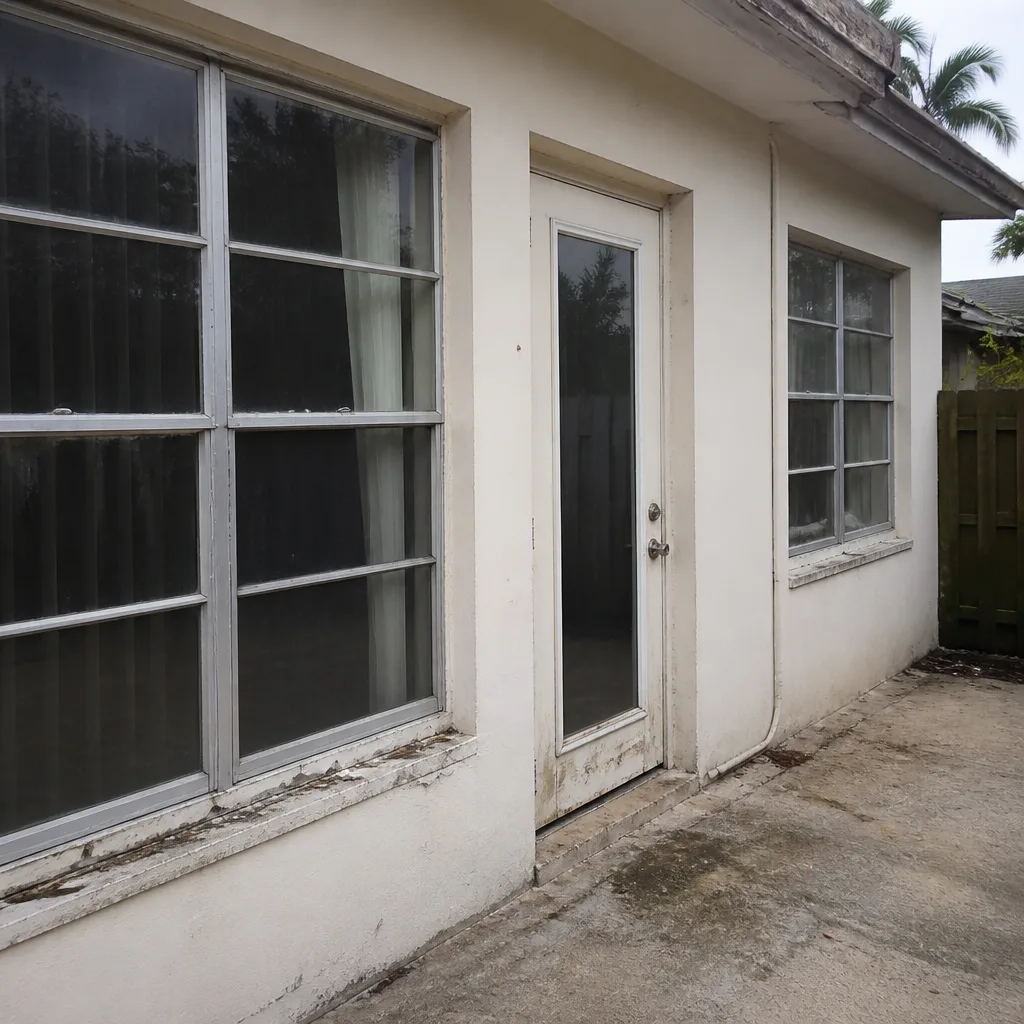 Before
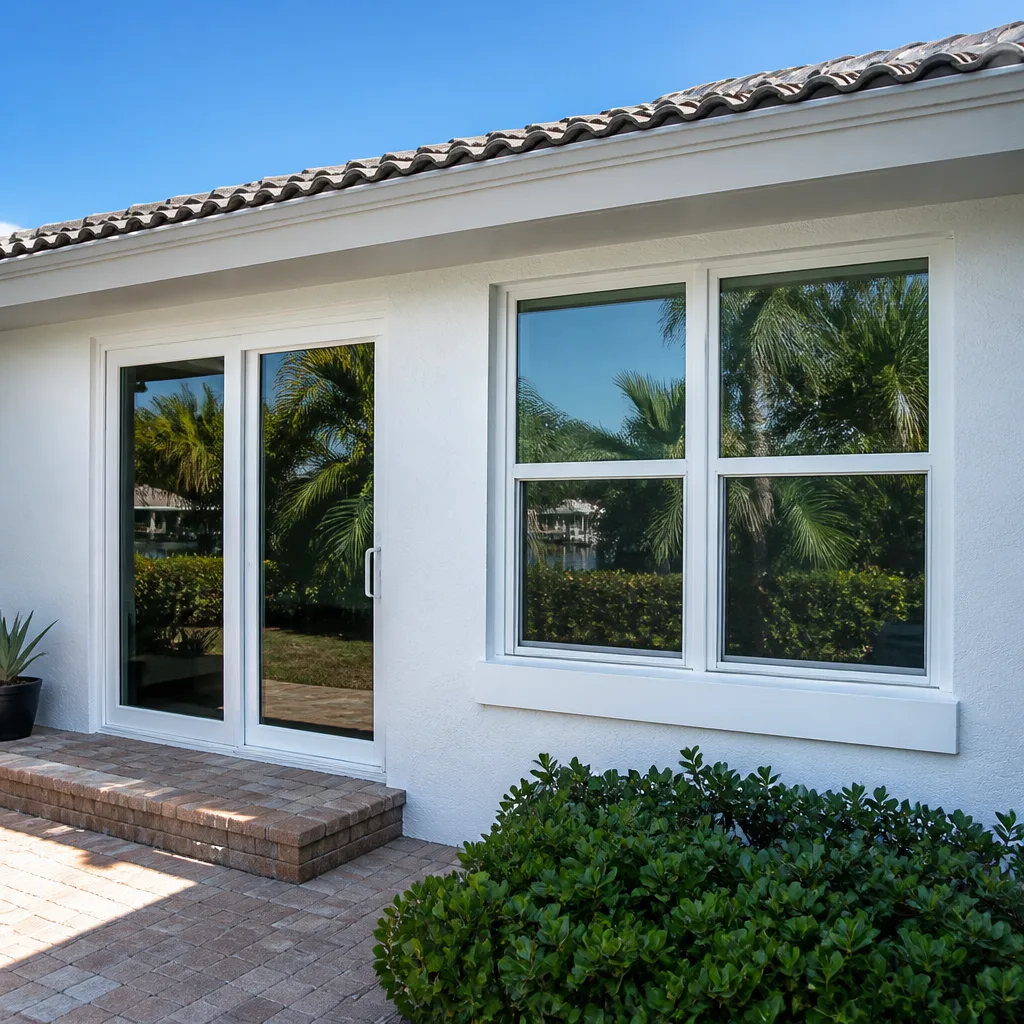 After
After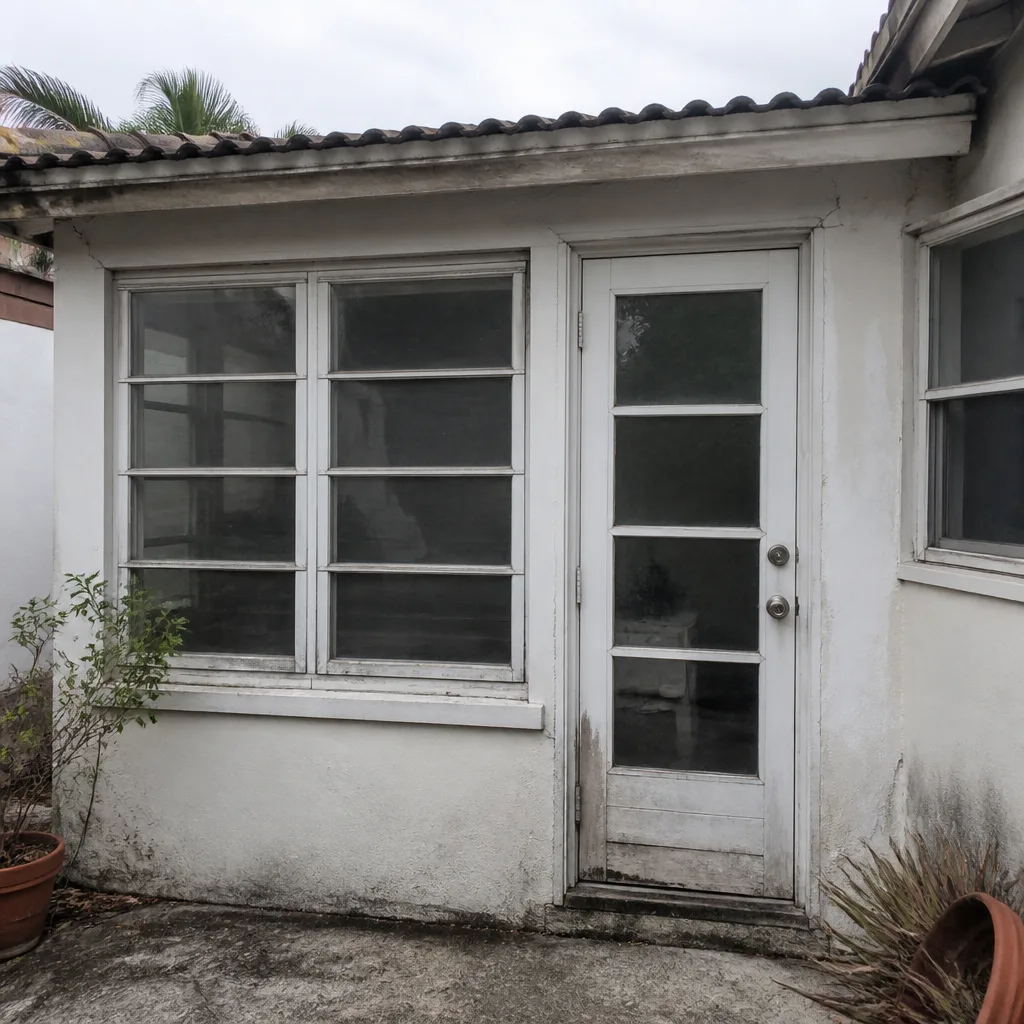 Before
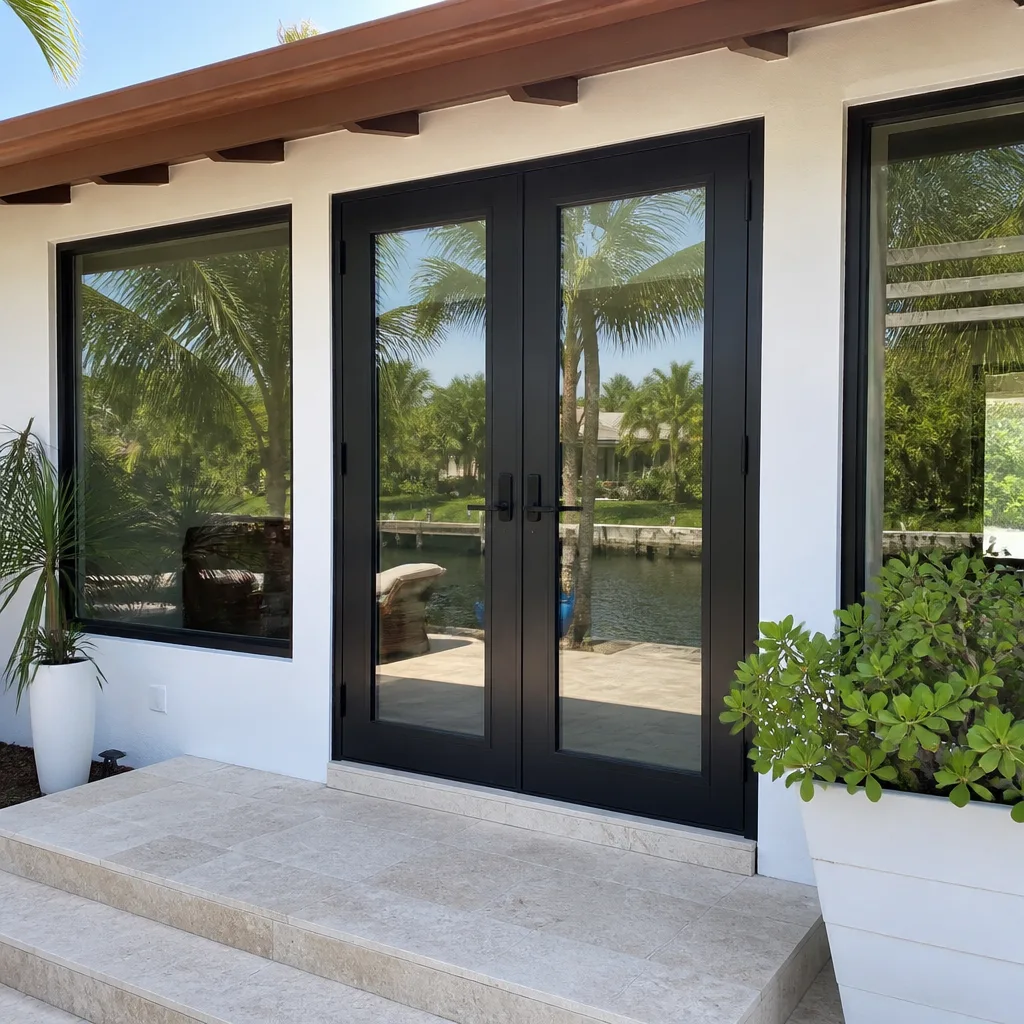 After
AfterSeasonal Windows & Doors Care for Fort Lauderdale: Year-Round Homeowner’s Guide
June 1 is the official start of hurricane season, but the preparation window for your home’s first line of defense, its windows and doors, closes about six weeks earlier, when contractor schedules fill and hardware stores start running low on supplies. Fort Lauderdale doesn’t have four seasons. It has hurricane season and non-hurricane season, and a coastal home’s windows and doors need a care calendar built around that reality, not autumn leaf-fall and spring thaw. This guide maps specific tasks to Fort Lauderdale’s actual weather calendar so you’re never scrambling three days before a named storm, and for more guides & resources, visit our blog.
Quick Answer
Seasonal windows and doors care in Fort Lauderdale means running two maintenance cycles per year: a pre-hurricane-season hardening pass in April and May, and a dry-season restoration pass from November through March. The most important tasks are tightening hardware, inspecting and replacing weatherstripping and seals, clearing sliding door tracks of sand and salt, and documenting everything with dated photos. A homeowner who spends two hours twice a year on this calendar avoids most emergency repairs, keeps warranty claims clean, and saves money compared to the full Windows & Doors Cost Breakdown: The Fort Lauderdale Homeowner’s Reference for 2026.
Table of Contents
- April-May: The Pre-Season Hardening Checklist
- Immediately After a Named Storm Passes: The Post-Storm Inspection Sequence
- November-March Dry Season: Restoration and Resealing Window
- Sliding Glass Door Tracks in Sand and Salt: A Fort Lauderdale-Specific Problem
- The Homeowner’s Maintenance Log: Photos, Dates, and Why It Matters
- Signs Your Windows and Doors Are Failing Before They Fail You
- Common Mistakes to Avoid
- When to Call a Professional
- Frequently Asked Questions
- The Bottom Line
April-May: The Pre-Season Hardening Checklist
By mid-April in Fort Lauderdale, every reputable window and door contractor is already booking three to five weeks out. If you wait until the first named storm forms in the Atlantic, you will be at the back of a very long line. The pre-season pass is not optional for coastal homes, and it doesn’t require a contractor for most of the work. It requires two hours, a screwdriver, a tube of silicone, and a flashlight.
Here is the checklist we walk our own neighbors through every spring, in the order that matters most:
- Hardware tightening pass. Walk every window and every door in the house. Tighten hinge screws on doors, check that window locks engage fully, and test every crank operator on casement and awning windows. Salt air accelerates corrosion on fasteners, and a loose hinge in April is a failed impact door in September. If a screw spins without tightening, the hole is stripped and needs a larger screw or a wood filler repair before the frame degrades further.
- Seal and weatherstripping inspection. Run your fingers along the weatherstripping on every exterior door. Look for brittleness, gaps, or compression that doesn’t bounce back. On windows, check the glazing bead and the seal between frame and glass. In Fort Lauderdale’s UV exposure, rubber weatherstripping typically lasts two to four years before it loses its memory. Replace it now, not in August.
- Impact glass and shutter check. If you have impact windows, inspect each pane for hairline cracks, especially near the corners where stress concentrates. If you rely on shutters or panels, test every track, every wing nut, and every mounting point. Hardware that was painted over or rusted during the off-season will not deploy when you need it.
- Weep hole clearing. Every window frame and sliding door track has weep holes designed to drain water. In Fort Lauderdale, those holes clog with sand, salt crust, and insect debris. Use a thin wire or compressed air to clear them. Clogged weep holes turn a minor wind-driven rain into water inside your wall cavity.
- Lubricate moving parts. Use a dry PTFE lubricant, not oil, on hinges, tracks, rollers, and lock mechanisms. Oil attracts sand and turns into grinding paste within weeks. PTFE leaves a dry film that repels both.
Do this pass by the first week of May. If you find anything you can’t fix yourself, schedule it immediately. A window replacement in Fort Lauderdale booked in early May can be installed before the season peaks. The same call in late July means waiting through the riskiest months.
Immediately After a Named Storm Passes: The Post-Storm Inspection Sequence
The temptation after a storm passes is to exhale and deal with the mess. But the first 48 hours after a storm are when water intrusion does its most expensive work, traveling through wall cavities, wicking into insulation, and feeding mold that won’t show itself for weeks. Here is the sequence we recommend, in order:
- Exterior visual pass. Walk the full perimeter before you go back inside. Look for missing shingles or tiles, displaced flashing, dented or cracked window frames, and doors that no longer sit square in their openings. Take photos of everything, even if it looks minor. Insurance adjusters respond to dated documentation far better than verbal descriptions.
- Window-by-window seal check. Run your fingers around the interior perimeter of every window frame. Feel for moisture, cool spots, or soft drywall. Check the sill for water pooling. Pay special attention to windows on the windward side of the house, which took the brunt of the driven rain.
- Door alignment and hardware test. Open and close every exterior door. If a door drags, sticks, or won’t latch, the frame or the door itself shifted during the storm. That’s a structural signal, not a nuisance. Note which doors are affected and whether the gap between door and frame is wider at the top than the bottom.
- Sliding door track inspection. Look inside the tracks of every sliding glass and patio door. Storm surge and wind-driven rain push sand and debris into these channels. If water is standing in the track, the weep holes are clogged and need clearing before the next rain event.
- Interior leak hunt. Check ceilings below roof valleys and around any roof penetration, including vent pipes and skylights. Water stains, even faint ones, indicate a breach that will worsen. On walls below windows, look for bubbling paint, soft drywall, or a musty smell that wasn’t there before.
If you find any sign of water intrusion, don’t wait to see if it dries on its own. By the time drywall feels dry to the touch, the cavity behind it may already be hosting mold. This is one of the times when calling a professional immediately is the cheapest option. Ed Winslow has been doing window installation in Fort Lauderdale since 2011, and we’ve seen too many small post-storm leaks turn into five-figure remediations because the homeowner hoped it would resolve itself.
November-March Dry Season: Restoration and Resealing Window
Fort Lauderdale’s dry season is the unsung hero of window and door maintenance. From roughly November through March, humidity drops, afternoon thunderstorms become rare, and temperatures settle into the 70s. This is the window, literally, for any work that requires sealants to cure properly or paint to adhere. Silicone and urethane caulks need a dry surface and low humidity to bond correctly. Trying to reseal a window frame in June, with 80% humidity and daily downpours, is a recipe for a seal that fails before the next storm season.
Here is what the dry season is for:
- Resealing window and door perimeters. The caulk line between your window frame and the stucco, wood, or Hardie board of your exterior walls degrades under UV and salt exposure. In Fort Lauderdale, exterior caulk typically lasts three to five years. If you see cracking, shrinkage, or gaps, cut out the old bead and lay fresh, paintable exterior caulk. Do it in December or January for the best cure.
- Repainting wood, fiberglass, and aluminum-clad frames. Paint is a barrier, not a decoration. Once the paint on a wood window frame degrades, moisture gets into the wood and the rot clock starts. Dry season is when you sand, prime, and repaint. Two coats. No shortcuts.
- Addressing cosmetic storm damage. The scratches, dents, and scuffs your windows and doors picked up during the previous storm season don’t just look bad. Chipped paint and exposed metal create entry points for salt corrosion. Fix them while the weather is cooperating.
- Hardware replacement that you deferred. If a hinge, roller, or lock was marginal in September but functional, replace it now. Don’t carry a known weakness into the next storm season.
- Energy efficiency upgrades. This is also the time to address windows that underperformed all summer. If your AC ran nonstop from May through October and certain rooms still felt humid, your windows are leaking conditioned air. A Fort Lauderdale impact windows upgrade during dry season means a cooler house by the time the heat returns.
The dry season is a gift. It’s the one stretch of the year when sealants, paints, and adhesives behave the way the manufacturer intended. Use it aggressively.
Sliding Glass Door Tracks in Sand and Salt: A Fort Lauderdale-Specific Problem
In our experience, sliding glass door track neglect is the single most common maintenance failure we see in Fort Lauderdale homes within a mile of the beach. Sand blows onto patios and balconies daily. It grinds into the rollers and the track channel every time the door moves. Salt in the air accelerates corrosion on the aluminum track and the steel roller bearings. What starts as a slightly sticky door becomes a door that requires two hands and a hip to open, and by that point the rollers are usually shot.
The repair cost difference is stark. Cleaning and lubricating a sliding door track costs about $20 in materials and 20 minutes of time. Replacing rollers, and sometimes the track itself, typically runs $300 to $450 for parts and labor on a standard sliding glass door. That’s a fifteen-to-twenty-fold difference for a task that requires no special skill. In older Fort Lauderdale homes with non-standard track sizes from the 1970s and 80s, the cost can climb higher because parts are no longer stocked and must be specially ordered.
Here is the maintenance rhythm that prevents the problem:
- Weekly during dry season. Vacuum or wipe out the track channel. Sand accumulates fast, especially if you’re within a half-mile of the ocean. A dry paintbrush or vacuum nozzle gets most of it.
- Monthly year-round. Clean the track with a damp cloth and a mild detergent to remove salt film. Dry it thoroughly. Then apply a dry PTFE lubricant to the track and the roller assemblies. Do not use WD-40 or any oil-based lubricant; they hold sand and accelerate wear.
- Every six months. Inspect the rollers themselves. Lift the door slightly, if you can, and look at the wheels. If they’re flat-spotted, corroded, or wobbling on their axles, they’re failing. Replace them during dry season, not when the door stops moving entirely in July.
- Check the weep holes every time you clean. If water stands in the track after rain, the weep holes are clogged. Clear them with a pipe cleaner or compressed air.
Sliding glass doors from brands like PGT and Mr-Glass are built for coastal conditions, but even the best track hardware wears faster in sand and salt than it would inland. The maintenance is cheap. The repair, when neglected long enough, becomes a door replacement.
The Homeowner’s Maintenance Log: Photos, Dates, and Why It Matters
A maintenance log is not a scrapbook. It’s a legal and financial document. Here’s what we mean. When a window manufacturer like PGT or Therma-Tru evaluates a warranty claim, the first question they ask is whether the product was properly maintained. When a homeowner’s insurance company evaluates a storm damage claim, they look for evidence that the damage didn’t predate the storm. A dated photo and a one-line note settle both questions before they become disputes.
Here’s how to build a log that actually works:
- Take photos before every maintenance session and after every storm. Use your phone. The timestamp is automatic. Capture the full exterior of each window and door from the outside, plus close-ups of seals, weatherstripping, tracks, and hardware. After a storm, photograph everything again, even if nothing looks damaged.
- Log tasks with a one-line note. “April 12: tightened all hinge screws, replaced weatherstripping on back door, cleared weep holes on all sliders.” The note doesn’t need to be long. It needs to exist.
- Store the log somewhere you can access it after a storm. If it’s only on a laptop that gets damaged in a flood, it doesn’t count. Use a cloud folder or a notebook kept in a waterproof location.
- Include receipts. If you buy caulk, lubricant, replacement hardware, or pay a contractor for maintenance, scan or photograph the receipt into the log. This proves maintenance was performed, not just claimed.
- Track product serial numbers. Impact windows and high-end doors have serial numbers and manufacturing dates etched or stickered on the frame. If you need a warranty claim, the manufacturer will ask for them. Write them down now while the labels are legible.
A maintenance log takes ten minutes per session. It’s the difference between a warranty claim that gets approved and one that gets denied for lack of documentation.
Signs Your Windows and Doors Are Failing Before They Fail You
Most window and door failures in Fort Lauderdale don’t announce themselves with a dramatic crack. They whisper for months or years before the final break. Here are the early warning signs we tell homeowners to watch for:
- Condensation between panes. If fog forms inside the glass unit that you can’t wipe away, the seal has failed and the insulating gas has escaped. The window still looks fine, but its energy performance is gone and the failure accelerates from there.
- Doors that stick in humid weather. Wood doors swell in Fort Lauderdale’s summer humidity. If a door only sticks from June through October, the door isn’t the problem; the humidity is. But repeated swelling seasons will eventually warp the frame permanently.
- Windows that rattle in wind. A properly installed and adjusted window doesn’t rattle. Rattling means the sash isn’t seating tightly against the frame, which means air and water are getting through the same gaps.
- Visible daylight around door edges. Stand inside a closed door on a bright day. If you see light around the perimeter, water can follow the same path. Replace the weatherstripping or adjust the threshold immediately.
- Soft spots in wood frames. Press a screwdriver gently into painted wood frames around windows and doors. If it sinks in, the wood is rotting beneath the paint. Rot is progressive and never self-heals.
- Higher humidity inside during summer. If your AC runs constantly and still can’t keep indoor humidity below 55%, your windows are leaking conditioned air. In Fort Lauderdale, that’s a year-round comfort and mold issue, not just an energy bill issue.
None of these signs get better on their own. The sooner they’re caught, the less the fix costs.
Common Mistakes to Avoid
- Skipping the April-May pass because “the windows are fine.” Impact windows and doors are tested systems, but they’re only as good as their maintenance. In Fort Lauderdale’s salt and UV environment, seals and weatherstripping degrade on a two-to-four-year cycle whether you look at them or not. The pass catches the degradation while it’s cheap to fix.
- Using WD-40 or oil on tracks and hinges. Oil lubricants hold sand and salt, which turns them into grinding compound faster than running the hardware dry. Use a dry PTFE lubricant only.
- Ignoring clogged weep holes. Those tiny slots at the bottom of window frames and sliding door tracks are the drainage system for your wall. When they clog, water backs up and goes somewhere you don’t want it: inside the wall.
- Waiting until a storm is forecast to schedule repairs. If a named storm is three days out, every contractor in Fort Lauderdale is already booked. Repair and maintenance work needs to happen in April and May, or in the dry season, not during the September scramble.
- Not photographing pre-storm conditions. After a storm, insurance companies ask what the property looked like before. Dated photos from your maintenance log answer that question with evidence, not memory.
- Deferring a $200 repair until it becomes a $2,000 replacement. Rollers, weatherstripping, and hardware are consumable parts. Replacing them when they show wear is the difference between maintaining a window and buying a new one. Winslow Windows & Doors offers $40 off any repair over $200, permanently, so the small fix is always the cheaper path.
- Treating all sealants as equal. Exterior window and door caulk in Fort Lauderdale must be rated for UV exposure, high movement, and salt air. Interior caulk or cheaper exterior products will crack within a year. Use a high-quality exterior sealant rated for coastal conditions.
When to Call a Professional
Some tasks are worth doing yourself. Others are worth paying for. Call a professional when you find water intrusion after a storm, when a window or door no longer sits square in its opening, when wood frames show soft spots or visible rot, when impact glass shows any crack at all, or when a sliding door is so hard to move that you’re shoving it with your body weight. These are not cosmetic problems. They indicate structural or sealed-system failures that get more expensive the longer they wait. A trained eye catches what a homeowner misses, and in Fort Lauderdale’s climate, what gets missed gets wet. Winslow Windows & Doors offers free estimates in Fort Lauderdale. Call (904) 747-8989 and a real person answers, day or night.
Frequently Asked Questions
Twice a year: a pre-season hardening pass in April or May, and a restoration pass during the dry season from November through March. Sliding door tracks need light cleaning monthly year-round. Exterior caulk and weatherstripping should be inspected every six months and replaced every three to five years, depending on sun and salt exposure.
Roller replacement on a standard sliding glass door in Fort Lauderdale typically runs $300 to $450 for parts and labor. On older homes with non-standard track sizes, costs can run higher because parts must be special-ordered or the entire track assembly replaced. Cleaning and lubricating the track monthly costs about $20 in materials and prevents the roller failure in the first place. Call (904) 747-8989 for an exact quote on your door, estimates are free.
Most April-May prep tasks are DIY-friendly: tightening hardware, clearing weep holes, lubricating tracks, and inspecting seals. You need a contractor if you find cracked impact glass, rotted wood frames, doors that no longer close properly, or any sign the window or door has shifted in its opening, as explained in our Windows & Doors Permits, Codes & Inspections in FL: What You Need to Know. Those conditions mean the sealed system is compromised, and a DIY fix won’t restore the protection your home needs.
It depends on the manufacturer and the specific warranty terms, and on whether you can document proper maintenance. PGT, CGI, and Therma-Tru warranties generally cover manufacturing defects and, in some cases, glass breakage from windborne debris, but they do not cover neglect. A dated maintenance log with photos is the strongest tool you have for proving the product was properly cared for. When the warranty claim process gets confusing, we help our customers navigate it. Call (904) 747-8989 and we’ll walk you through it.
Fog between panes means the seal on the insulated glass unit has failed. The desiccant inside the spacer has absorbed all the moisture it can hold, and condensation now forms inside the sealed cavity. The window still looks intact, but its insulating value has dropped significantly. In Fort Lauderdale, seal failures accelerate in salt air, and the only real fix is replacing the glass unit or the entire window. The fog gets worse every year, not better.
If your windows are single-pane, more than 20 years old, or show signs of seal failure, replacing them before hurricane season is one of the smartest investments you can make in a Fort Lauderdale home. Impact-rated windows from brands like PGT and CGI protect your interior from windborne debris, reduce the need for shutters, and cut energy costs the rest of the year. The catch is scheduling: if you want the replacement done before the season peaks, the decision needs to come in April, not July. Ed Winslow and his team have done impact windows in Fort Lauderdale for over 15 years, and we’ve never had a customer tell us they wish they’d waited longer.
The Bottom Line
Fort Lauderdale’s calendar doesn’t care about spring thaw or autumn leaves. It cares about June 1 and the months when the sky opens up. The homeowners who fare best are the ones who run their maintenance on a two-season rhythm: harden in April and May, restore from November through March. The tasks are simple, cheap, and mostly DIY. The consequences of skipping them are expensive, stressful, and compounding. The Winslow Windows & Doors home team has been serving Fort Lauderdale since 2011, and we’ve never met a homeowner who regretted a maintenance pass. We have met many who regretted skipping one.
If you’re not sure where to start, call us at (904) 747-8989 for a free estimate. Ed’s name is on the door, and on every job we do. The one down the road.
Written by Ed Winslow, Owner at Winslow Windows & Doors, serving Fort Lauderdale since 2011.
Six Reasons Homeowners Choose Winslow Windows & Doors
Impact systems engineered to design pressures up to +/-100, matched to your wind zone - your openings hold when the storm arrives.
Low-E insulated impact glass from our manufacturer lines commonly cuts monthly cooling bills 20-30%.
Laminated impact glass shuts out up to 40% of outside noise - traffic, neighbors, weather.
Monitoring services run $30-90 a month. Laminated impact glass resists forced entry around the clock, with no subscription.
Florida homeowners average around 25% savings on the windstorm portion of their policy after protecting every opening - some homes qualify for more.
A full impact package upgrades curb appeal, buyer confidence and appraised value in one project.