
Last updated August 27, 2026
Free in-home measure and quote - PGT, CGI and CWS impact lines compared on your actual openings, style by style
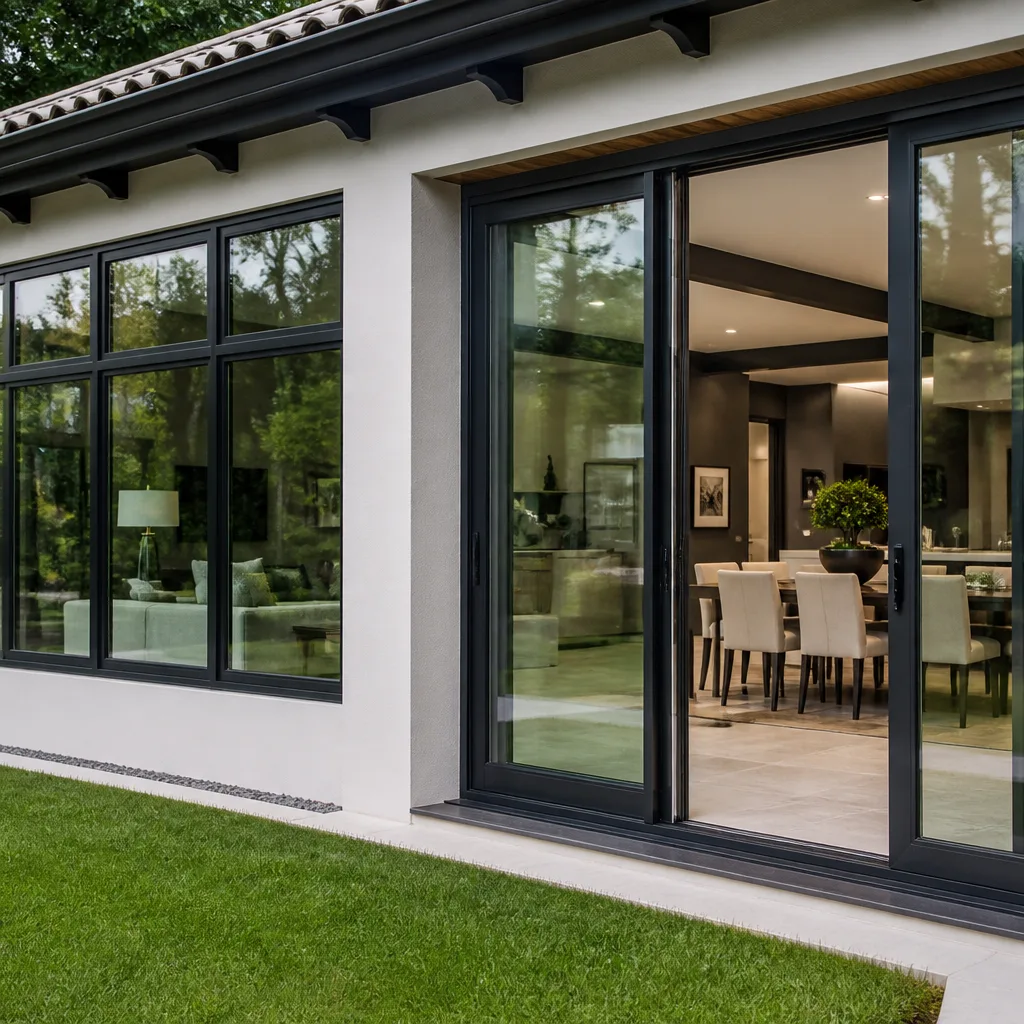
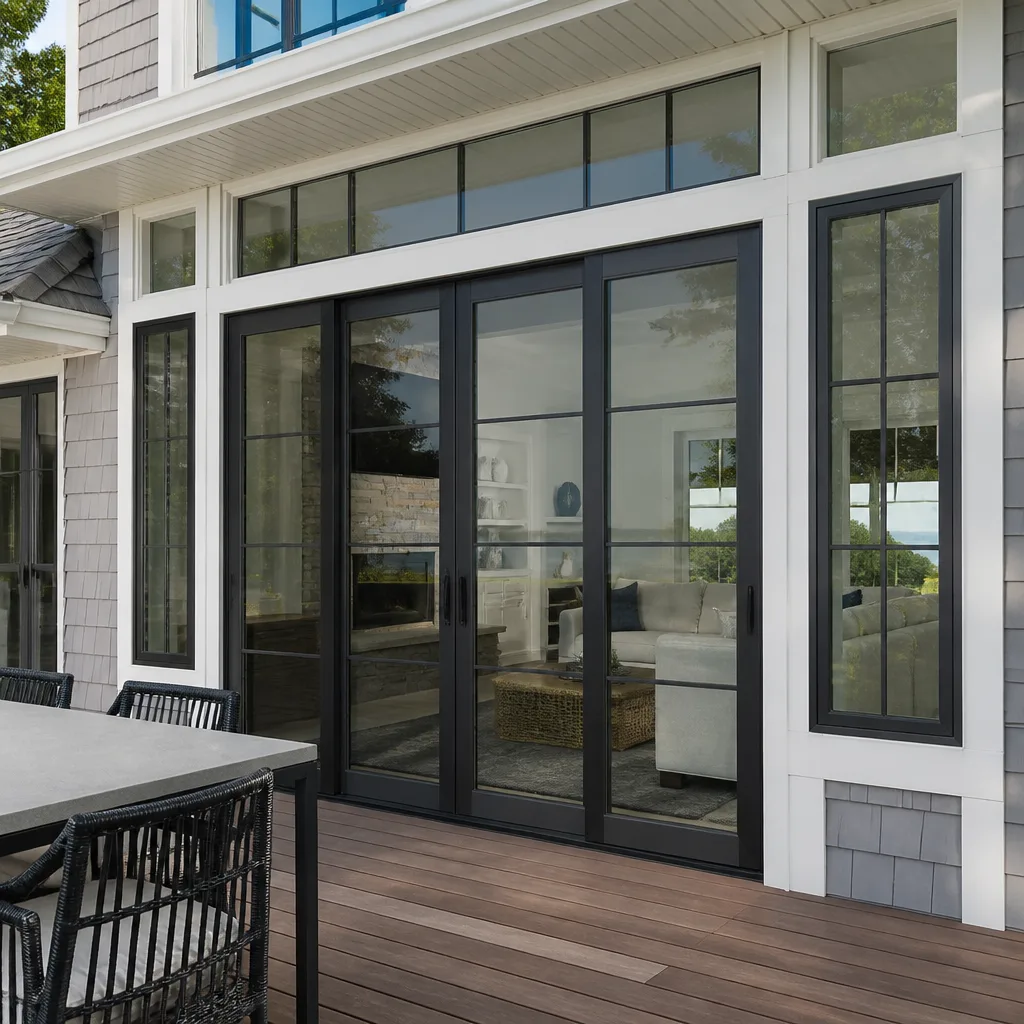
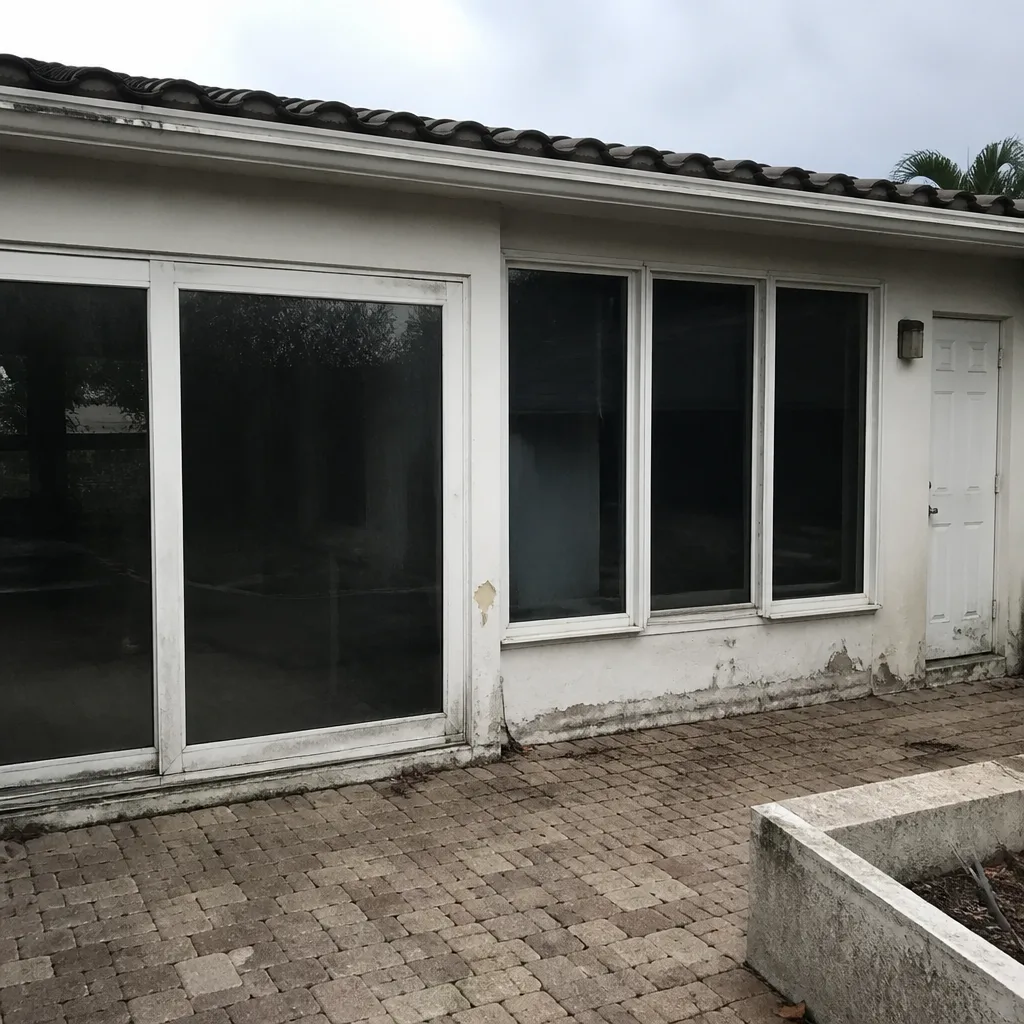 Before
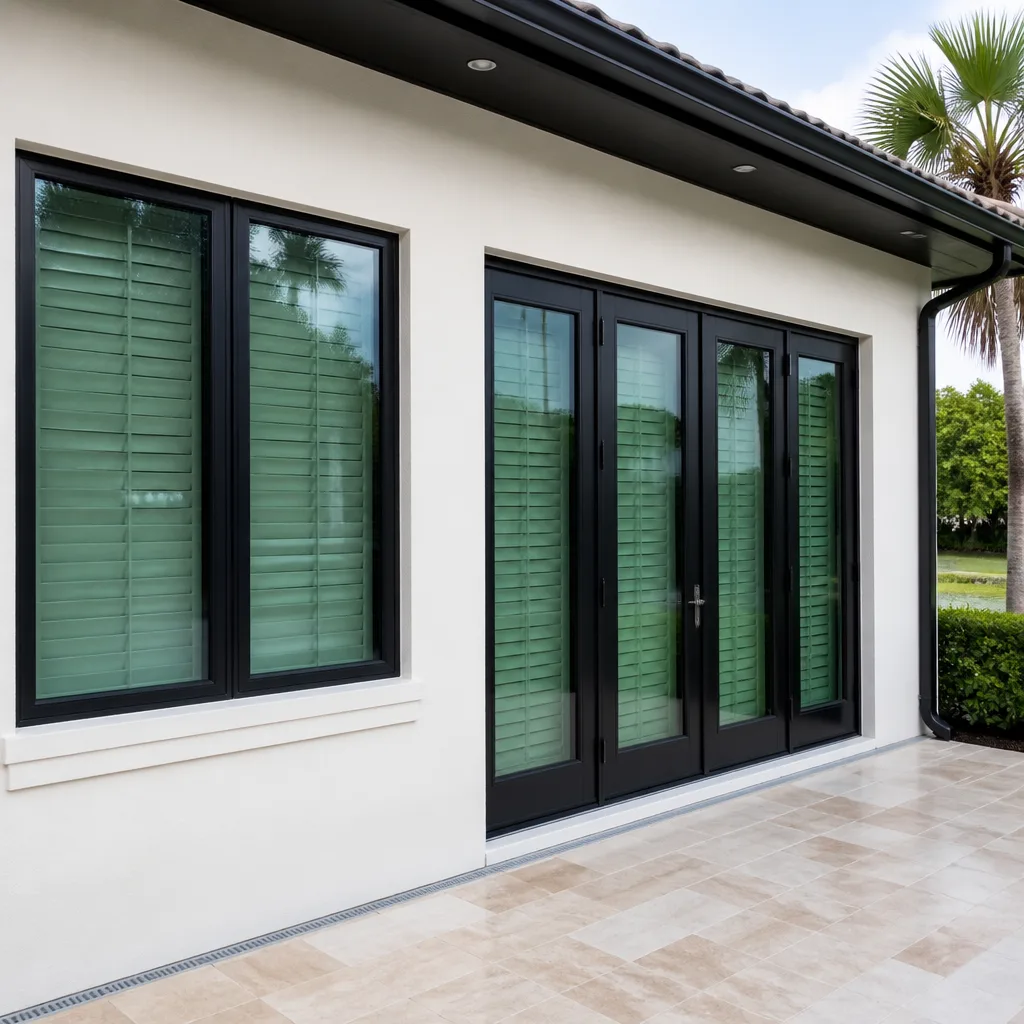 After
After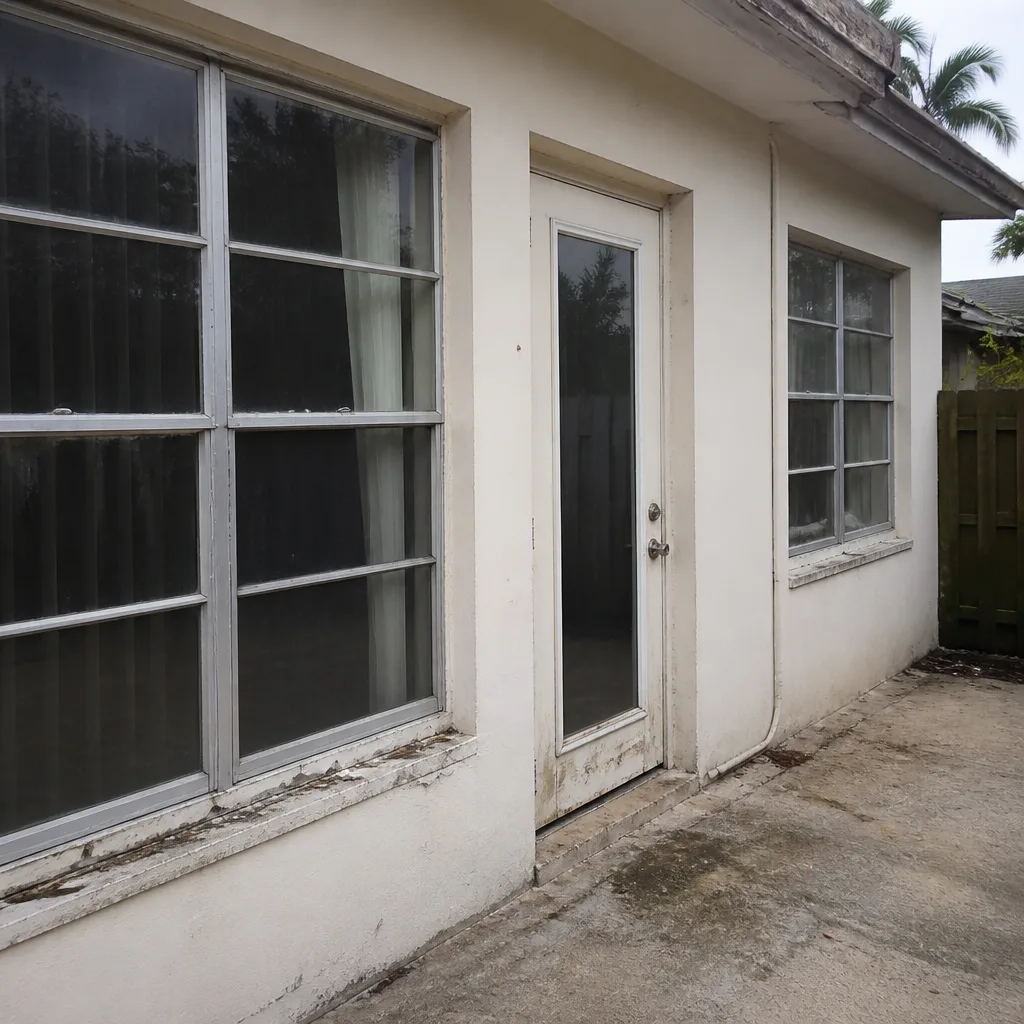 Before
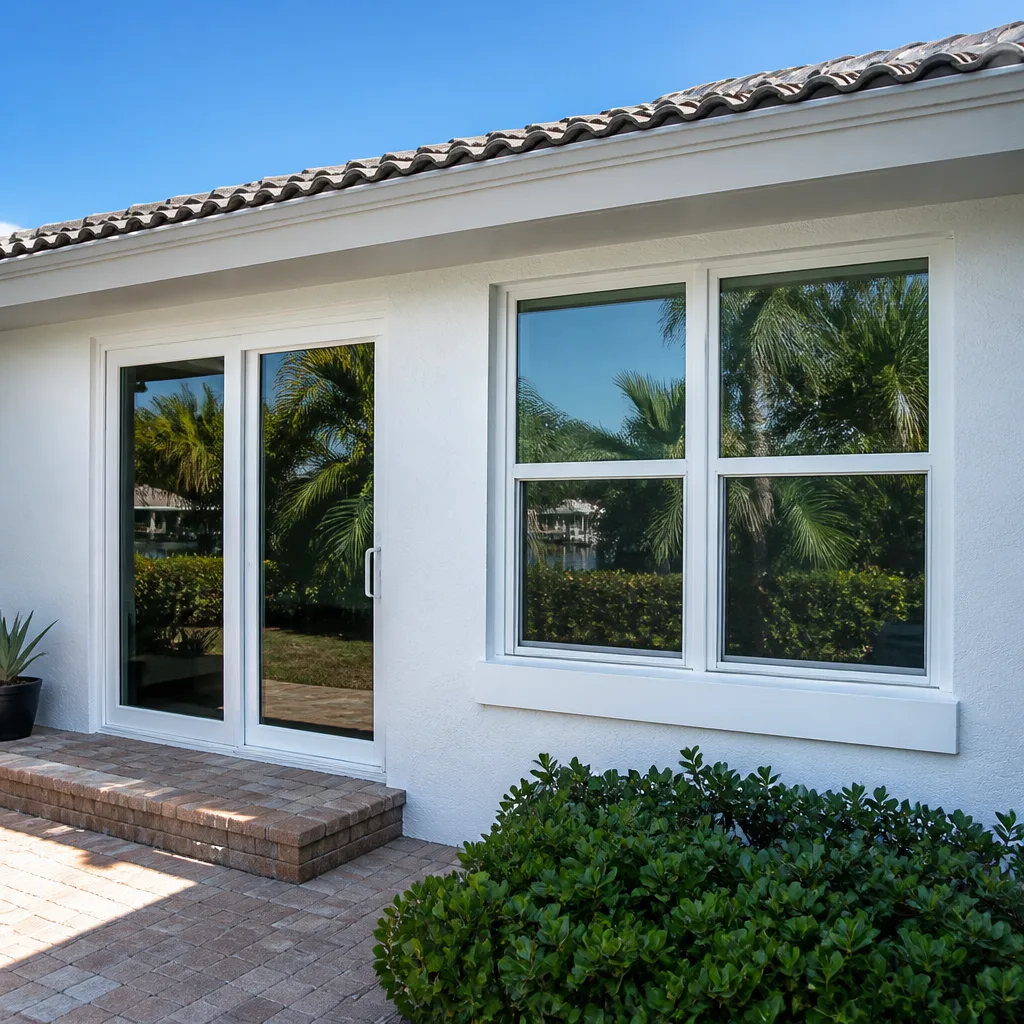 After
After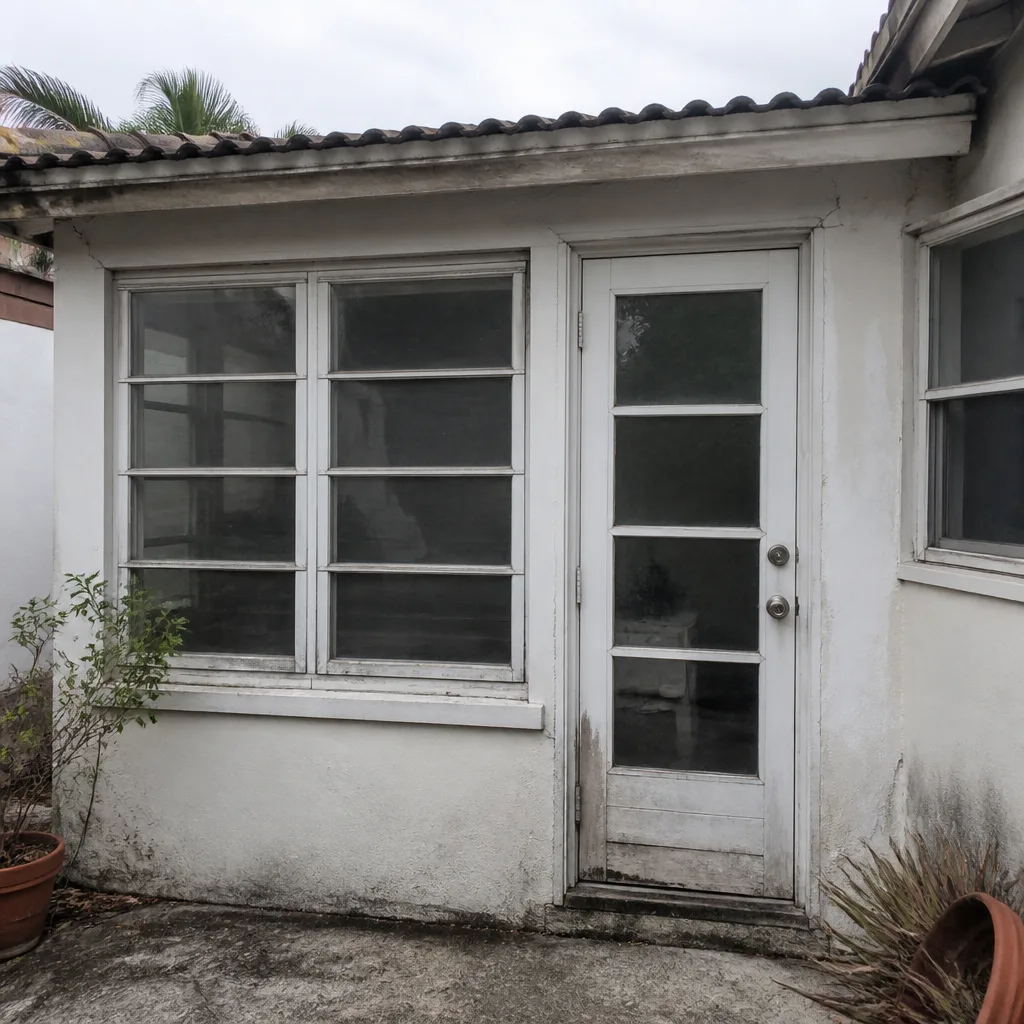 Before
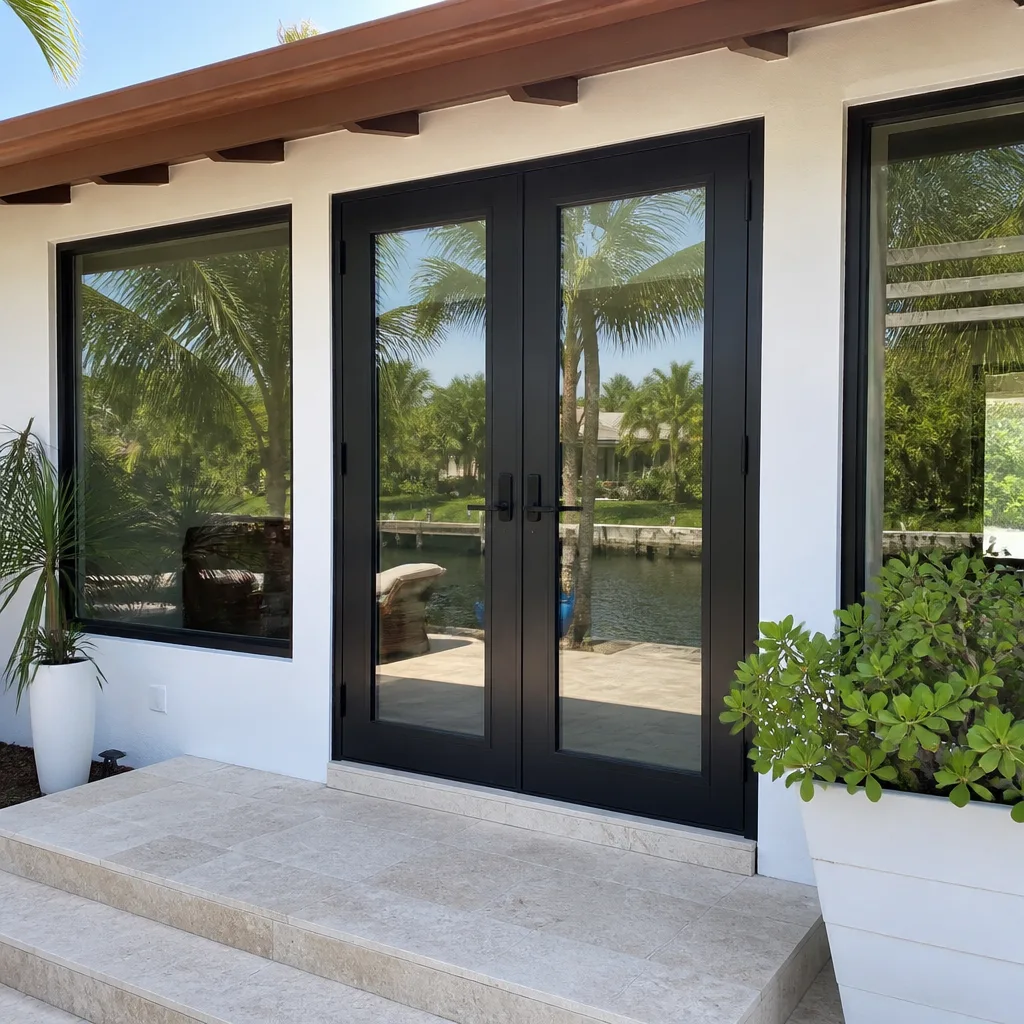 After
AfterWindows & Doors Permits, Codes & Inspections in FL: What You Need to Know
Here’s a number that should stop you cold: in Broward County, unpermitted window and door replacement is discovered in roughly one out of every three real estate transactions where the seller thought they’d saved a few hundred dollars. The discovery happens at the worst possible moment, during the buyer’s inspection period, after negotiations are done and the moving truck is practically idling. This guide walks through the exact permit workflow in Fort Lauderdale, what the Florida Building Code actually requires for replacement windows and doors, what inspectors look for, and how to avoid the title defect that turns a $400 “savings” into a $4,000 retroactive permitting nightmare. For more guides & resources on navigating South Florida home improvement, see our blog. You’ll learn the Broward County process step by step, including one document almost nobody knows about until the inspector asks for it.
Quick Answer
Window and door replacement in Broward County, Florida requires a building permit for any product that changes the size of the rough opening, alters the structural header, or replaces impact-rated assemblies in a wind-borne debris region. For a comprehensive overview, see The Complete Guide to Windows & Doors in Fort Lauderdale. For like-for-like replacements where the opening and framing stay untouched, many cities in Broward still require a permit, though some allow an expedited “reroof/window & door” path. The permit triggers two potential inspections: a rough inspection if the opening is exposed, and a final inspection once the product is installed, sealed, and flashing is in place. The entire process typically takes 7 to 14 business days from application to final sign-off, depending on municipality workload and whether your product’s NOA documentation is in order.
Table of Contents
- Broward County’s Permit Process for Window & Door Replacement
- Florida Building Code Chapter 14: Pre-2002 vs. Post-2002 Homes
- The Inspection Sequence: Rough, Final, and What Fails Most Often
- How Unpermitted Work Gets Discovered (and What It Costs)
- The NOA Document: Your Product’s Passport to Passing Inspection
- Wind-Borne Debris Region Rules for Fort Lauderdale
- Common Mistakes to Avoid
- When to Call a Professional
- Frequently Asked Questions
- The Bottom Line
Broward County’s Permit Process for Window & Door Replacement
If you live in Fort Lauderdale proper, your window and door permits go through the City of Fort Lauderdale Building Services Division, not the county. If you live in unincorporated Broward or one of the smaller municipalities like Wilton Manors or Lauderdale-by-the-Sea, you may file through Broward County’s Building Code Division. The distinction matters because the two jurisdictions have slightly different application portals, fee schedules, and turnaround times. Here’s the workflow we walk through with homeowners dozens of times each month.
Step 1: Determine your product category. Replacement windows and doors fall into one of three categories, and the category drives everything downstream:
- Like-for-like replacement: same rough opening, same structural header, no change to the opening size. This is the fastest path. Many Broward municipalities process these as “residential window/door replacement” permits with a shorter review queue.
- Opening modification: enlarging or shrinking the opening, moving a door, or converting a window to a door. This triggers structural review, possibly a header calculation, and a longer review timeline of 10 to 20 business days.
- New opening: cutting a new window or door into an existing wall. This requires structural drawings, possibly a structural engineer’s seal, and full plan review. Budget 3 to 6 weeks for approval in Fort Lauderdale.
Step 2: Gather the required documents. For a typical like-for-like replacement in Fort Lauderdale, you’ll need:
- A completed permit application (available through the city’s online portal, which has been the standard filing path since the 2020 portal refresh)
- Product Approval documentation: for impact-rated products, the NOA (Notice of Acceptance) or FL Product Approval number
- A site plan or floor plan showing which openings are being replaced
- For condominiums or HOAs: written approval from the association, which in Fort Lauderdale beachfront buildings can take weeks on its own, so request it first
- A copy of your property’s flood zone determination, if applicable, because certain coastal zones in Fort Lauderdale require additional documentation for door thresholds and sill heights
Step 3: Submit and pay. Fees for a standard window and door replacement permit in Fort Lauderdale generally run between $150 and $400, depending on the number of openings and the valuation you declare. The city uses a valuation-based fee schedule, and under-declaring the job value to save on fees is a well-known way to get a flag on your permit file that follows the property. Turnaround for like-for-like replacements is typically 3 to 7 business days. You can check status anytime through the city’s online portal using your permit number.
Step 4: Schedule inspections. Once the permit is issued, the inspection card (or digital equivalent) must be posted on-site. In Fort Lauderdale, the inspection card is now digital through the portal, but you still need the permit number visibly posted at the job site. We’ll cover the inspection sequence in depth below.
The entire process, from application to final approval, takes about two weeks for a straightforward like-for-like replacement when the paperwork is clean. When we file for a Window Installation in Fort Lauderdale, we handle every step of this for the homeowner, including the portal submission and inspection scheduling, because a missed field on the application adds a week to the timeline.
One thing most homeowners don’t realize: the permitting process starts before you’ve chosen your contractor. If your contractor is asking you to sign a contract before they’ve discussed permits, that’s a red flag we’ll come back to in the mistakes section.
Florida Building Code Chapter 14: Pre-2002 vs. Post-2002 Homes
Florida Building Code Chapter 14, titled “Existing Buildings,” draws a bright line at March 1, 2002, the date the unified Florida Building Code took effect. Homes permitted before that date are governed by different replacement rules than homes permitted after it. If you don’t know which side of the line your house falls on, the answer is in your original building permit records, and getting this wrong is one of the most common reasons a window permit gets held up in review.
Homes built before March 1, 2002: Chapter 14 allows a “like-for-like” replacement path, known as the prescriptive compliance method, where the new window or door must meet current code but does not trigger a full structural upgrade of the surrounding wall. The key phrase in the code is “not less than the level of protection that was in existence at the time of original construction, except as required for hurricane protection.” In practical terms: if your 1985 Fort Lauderdale ranch house has single-pane aluminum windows, you’re not required to upgrade to impact-rated glass unless the window is located in a wind-borne debris region, which, in Broward County, it almost certainly is. For a deeper look at what to watch for, see our Windows & Doors Warning Signs: A Fort Lauderdale Homeowner’s Reference Guide.
Homes built on or after March 1, 2002: These homes were constructed under the unified Florida Building Code, which means their original windows and doors were already impact-rated or protected. Replacement products must meet the same or better design pressure ratings, and the replacement must not reduce the structural performance of the exterior envelope. The prescriptive path is simpler, but the documentation requirements are stricter: you’ll need to demonstrate that the new product’s design pressure rating equals or exceeds the original product’s approved rating.
Here’s the nuance that trips up even seasoned contractors: “like-for-like” in the code does not mean same size. It means same structural function. A contractor can enlarge a window opening slightly as long as the structural header is not compromised, but any change that reduces the header’s load-bearing capacity pushes the project into a higher review tier. We frequently see installations in Fort Lauderdale neighborhoods like Victoria Park and Rio Vista where the original 1950s framing doesn’t match modern opening sizes, and the permit reviewer flags the application because the contractor checked “like-for-like” when the header would actually need reinforcement.
Chapter 14 also has a provision that many homeowners never hear about: Section 611, which deals with “historic buildings.” Fort Lauderdale has several designated historic districts, including Sailboat Bend and parts of Colee Hammock. If your home is in a locally designated historic district, you may need additional review from the city’s Historic Preservation Board before the building permit can be issued. The review doesn’t necessarily block modern impact windows, but it does add 30 to 60 days to the timeline, and the board may require specific frame styles or muntin profiles that match the home’s historic character.
The practical takeaway: before you sign a contract for Window Replacement in Fort Lauderdale, have your contractor pull your home’s original permit records and confirm which side of the 2002 line you’re on. It takes an afternoon and it prevents permit review delays measured in weeks, not days.
The Inspection Sequence: Rough, Final, and What Fails Most Often
Once your permit is issued and the install begins, there are two inspection points you need on your calendar: the rough inspection and the final inspection. Here’s what actually happens at each stage, what the inspector is looking for, and what goes wrong when an inspection fails.
The Rough Inspection
The rough inspection happens after the old window or door is removed and the new product is set into the opening, but before the interior trim, caulking, and final sealing are complete. The inspector needs to see the “guts” of the installation. Specifically, they’re checking:
- Flashing and waterproofing: the sill pan flashing, the jamb flashing, and the head flashing must be installed in the correct shingled sequence so water drains outward, not into the wall cavity. In Fort Lauderdale’s climate, with its 60-plus inches of annual rainfall and humidity that never really quits, this is the single most-failed inspection item we see.
- Fastener spacing and embedment: the screws or anchors securing the frame to the rough opening must meet the product’s NOA installation requirements. If the NOA calls for fasteners every 6 inches and the installer used 12-inch spacing, the inspector will catch it.
- Shim placement and frame squareness: the frame must be level, plumb, and square within the manufacturer’s tolerance. An out-of-square frame is a failed inspection, full stop.
- Impact product identification: the inspector will verify the product label matches the NOA submitted with the permit. If the label on the window says “CGI Sentinel” and the permit application listed a different model, the inspection is over before it starts.
For like-for-like replacements where the opening is never fully exposed, the city of Fort Lauderdale may allow a combined inspection, where the inspector verifies the installation at a single visit after the product is set but before final trim. Your permit paperwork will specify whether you need one inspection or two.
The Final Inspection
The final inspection happens after the installation is complete, including trim, caulking, and hardware. The inspector is verifying:
- The product operates correctly: sashes open and close, locks engage, doors latch without binding
- The exterior sealant is in place and the weep holes are clear
- For impact products: the correct locking hardware is installed, because an impact window without its rated locking mechanism is not the product the NOA describes
- The job site matches the permit: the inspector will compare the installed products against the permit schedule
A failed inspection means the inspector leaves a correction notice, and you’re back in the scheduling queue for a re-inspection, which in Fort Lauderdale’s current workload means 3 to 7 additional business days. Fail twice, and the permit enters a “repeat inspection” status that can trigger a review of the contractor’s license history. Every day a failed inspection sits unaddressed, your project timeline extends, and if you live in a condo building with common-area restrictions, the HOA may impose its own additional reviews.
The most common final inspection failure we see in Fort Lauderdale: the homeowner or contractor finished the interior trim before the final inspection, and the inspector can’t verify the fastener spacing or flashing behind the trim. This sounds minor, but it forces the contractor to remove and redo the trim, which adds days and cost. The fix is simple: schedule the inspection before trim goes up, which is exactly how a permitted, professional installation is sequenced.
How Unpermitted Work Gets Discovered (and What It Costs)
The scenario plays out the same way across Fort Lauderdale neighborhoods from Coral Ridge to Lauderdale Harbours: a homeowner replaces their windows in 2018, the contractor suggests skipping the permit to “save some money,” the homeowner agrees, and everything is fine until they try to sell the house. The buyer’s home inspector flags the windows as newer than the rest of the house. The title search reveals no permit. The deal stalls.
Here are the three main discovery channels and what each one costs.
Discovery Channel 1: Real Estate Transactions
This is the most common way unpermitted work surfaces. Buyers’ inspectors in Broward County are trained to spot replacement windows and doors that don’t match the home’s age, and lenders increasingly require permit verification as part of the title search. When the missing permit is found, the seller has two options: negotiate a price reduction or go through retroactive permitting. Retroactive permitting is not a quick fix. The city requires an after-the-fact permit application, which includes the standard application plus a “late penalty” that can double the original permit fee. More critically, the city requires an inspection of the installed work, and if the inspector determines that the installation doesn’t meet code, or the product’s NOA cannot be produced, the windows may need to be removed, the rough opening inspected, and the entire installation redone. In Fort Lauderdale, retrofit permits for window replacement typically cost between $400 and $1,000 in fees alone, plus the cost of remediation, and the city holds the permit issuance until the inspection passes. The title cannot transfer cleanly until the permit is closed.
Discovery Channel 2: Insurance Claims
If you file a homeowner’s insurance claim for water intrusion, hurricane damage, or any other covered peril, and the adjuster finds that the windows or doors at issue were replaced without a permit, your carrier may deny the claim outright, citing a “material misrepresentation” or “unpermitted alteration” clause. Florida insurance carriers are particularly aggressive on this because unpermitted window work is one of the most common defects they find in post-storm assessments, especially in Fort Lauderdale, where homes sit in a designated wind-borne debris region. A denied claim for water damage from a failed window jamb can cost tens of thousands of dollars in out-of-pocket repairs, which dwarfs the $150 permit fee that would have prevented it.
Discovery Channel 3: Neighbor Complaints and Code Enforcement
This one catches people off guard. A neighbor files a complaint with the city’s code enforcement department, which triggers an inspector to visit the property. In Fort Lauderdale, code enforcement is responsive to anonymous complaints, and an inspector who finds evidence of recent unpermitted window or door replacement can issue a stop-work order and require the homeowner to apply for the permit after the fact. The complaint path is less common than the other two, but it happens, particularly in neighborhoods with active associations, and it carries the same retrofit permitting costs plus the initial code enforcement fine, which in Broward County can run from $250 to $1,000 per violation.
There’s also a legal angle the homeowner rarely thinks about. Florida law requires sellers to disclose unpermitted work on the seller’s disclosure form. If you complete unpermitted window work, fail to disclose it, and the buyer discovers it after closing, you may be liable for the cost of the retrofit permit, remediation, and potentially legal fees under Florida’s statutory fraud provisions. This is not a theoretical risk: Broward County civil courts see these cases regularly, and the outcomes are consistently expensive for the seller.
At Winslow Windows & Doors home, we’ve seen the real-world version of this too many times. A homeowner saves $300 by skipping the permit, and three years later spends $4,500 on a retrofit, a new inspection, and a price concession to save a sale that nearly collapsed. The permit was never the expensive part.
The NOA Document: Your Product’s Passport to Passing Inspection
The NOA, or Notice of Acceptance, is the single most important piece of paper in your entire permit file, and most Fort Lauderdale homeowners have never heard of it. It’s a document issued by Miami-Dade County’s Product Control Division, which serves as the product approval authority for the entire state of Florida under the high-velocity hurricane zone (HVHZ) provisions. Every impact-rated window and door sold and installed in Broward County must have a valid NOA, and that NOA must be on-site during the inspection.
Here’s what the NOA actually does, and why it matters for your permit:
- It certifies that the specific product model passed the Miami-Dade testing protocol, including large-missile impact testing for wind-borne debris regions
- It includes the installation instructions that the inspector will compare against the actual installation
- It specifies the approved fastener schedule, type of anchors, maximum shim thickness, and required caulking type
- It carries an expiration date; if the product is installed after the NOA expires, the installation may not be eligible for approval
We install products from manufacturers including CGI, CWS, and ES Windows, and each product line carries its own set of NOAs. For example, a CGI Sentinel casement window has a different NOA number than a CGI Estate window, and a CWS impact sliding glass door carries a completely different document. The NOA number on your permit application must match the NOA number on the product label, and both must match the NOA on file with the city. When a contractor submits a permit application with a generic phrase like “impact window, size varies” instead of the specific NOA number, the city of Fort Lauderdale will flag the application for correction, adding days to the review. The city’s reviewers verify the NOA against the Miami-Dade product approval database, and a mismatch means a rejected permit.
Here’s how to verify your contractor has the right NOA: ask for the NOA number for the exact product they proposed, then look it up yourself in the Miami-Dade County product approval database, which is free and public. If the contractor can’t produce a NOA number within a business day, walk away. Any contractor doing legitimate work in Broward County has this number at their fingertips, because they can’t pull a permit without it.
One more wrinkle: products approved under a “statewide product approval” (FL number) still need a NOA if they’re installed in the HVHZ, which includes all of Broward County. A product with only a statewide approval is not eligible for installation in Fort Lauderdale’s wind-borne debris region, and a permit application using a statewide number where a NOA is required will be rejected. This is the exact kind of detail that separates a Window Installation in Fort Lauderdale that passes inspection on the first visit from one that stalls in review for weeks.
Wind-Borne Debris Region Rules for Fort Lauderdale
Fort Lauderdale sits inside Florida’s wind-borne debris region, a designation that covers most of the state’s coastal counties and requires every exterior opening in a residential building to be protected by impact-rated products or an approved alternative like shutters or panels. This requirement has been in the Florida Building Code since 2001, and in Fort Lauderdale specifically, the city has enforced it consistently since Hurricane Wilma exposed the consequences of non-compliant construction this exact section of Broward.
What this means practically for a homeowner planning a window or door replacement:
- Every replacement window and door must be impact-rated and carry a valid NOA; non-impact products are not permitted in a like-for-like replacement, even if the original product was not impact-rated
- The design pressure rating for your specific product must be calculated for your home’s exact location, including its proximity to the coast, exposure category, and surrounding terrain. A product that passes in a sheltered inland neighborhood may not pass in a beachfront high-rise because the wind loads are higher as you get closer to the water
- For sliding glass doors and entry doors, the product must be tested as a complete assembly, including the frame, the panel, and the hardware. A sliding glass door with impact glass but a non-impact frame will not pass inspection in Fort Lauderdale
The design pressure requirement is where DIY installations and unpermitted work go catastrophically wrong. Design pressure is not a marketing number; it’s a calculated value expressed in pounds per square foot (psf) that represents the wind force the product can withstand before structural failure. The calculation depends on the building’s location, height, and surroundings, and it’s defined in the Florida Building Code, Chapter 16, for wind loads. A window rated at plus or minus 50 psf may be sufficient for a single-story home in western Fort Lauderdale, but the same window installed in a 12th-floor condo on Galt Ocean Drive would fail the calculation.
The inspector does not calculate design pressure at the inspection, but the plan reviewer verifies it during the permit review, and if your contractor didn’t run the design pressure calculation before submitting the permit application, you’ll get a rejection notice asking for it. This is why we run every design pressure calculation as part of the permitting process for Impact Windows in Fort Lauderdale, before we file the application. It adds a step, but it eliminates the most common reason impact window permits get sent back for correction.
One final Fort Lauderdale-specific note: the city sits partly in a flood zone, and for homes in the Special Flood Hazard Area (SFHA), any door replacement must comply with FEMA’s requirements for flood openings and the finished floor elevation. A door replacement that changes the threshold height or reduces the flood opening capacity can put the building out of compliance with the floodplain management ordinance, which affects both your flood insurance premium and your ability to sell the home. If your home is in an SFHA, verify the flood zone designation before you select your door product.
Common Mistakes to Avoid
- Skipping the permit because the contractor offered to “save you money.” The money you save on the permit fee is a fraction of what retroactive permitting, remediation, and a weakened negotiating position at closing will cost you later. In Fort Lauderdale, skip-the-permit offers are almost always from contractors who lack the license to pull permits, which is exactly who you don’t want touching your home’s exterior envelope.
- Filing a “like-for-like” permit when the opening size or header changes. The city’s reviewers check the original permit records against the application, and a mismatch will hold your permit for weeks. If you’re enlarging an opening in a pre-2002 Fort Lauderdale home, say so on the application and include the header reinforcement details.
- Not requesting HOA or condo approval before starting the permit process. In Fort Lauderdale’s beachfront condos and gated communities, association approval can take longer than the city permit itself. Start the HOA application the same day you sign the contract, or your project timeline adds another 30 to 60 days.
- Accepting a product without verifying the NOA. A window or door that’s not covered by a current NOA cannot be installed legally in Broward County, period. Verify the NOA number yourself in the Miami-Dade database before the product arrives on site.
- Finishing the interior trim before the final inspection. The inspector can’t verify the installation behind the trim, and you’ll pay to have the trim removed and redone. Schedule the final inspection before trim work begins.
- Assuming a national brand’s standard installation meets Florida’s wind zone requirements. A product sold in Texas or Georgia may not carry a Florida NOA or meet the HVHZ testing standard. If your product isn’t approved for Broward’s wind-borne debris region, the city will reject the permit no matter how “impact-rated” the marketing materials claim it is.
- Using the wrong product approval number on the permit application. Submitting a statewide FL approval when a NOA is required, or entering the NOA for a different product line than what’s being installed, triggers a correction notice. Double-check every number against the product label and the Miami-Dade database before filing.
When to Call a Professional
There’s a line between “I can handle this paperwork” and “I need someone who does this every day,” and that line is usually visible within the first hour of trying to navigate the City of Fort Lauderdale’s online permit portal. Our DIY vs Professional Windows & Doors: The Fort Lauderdale Homeowner’s Decision Guide can help you decide which side you’re on. If you’re replacing a single window in a post-2002 home and you have the NOA in hand and the time to manage the portal, the process is doable. But the moment your project includes multiple openings, an older home, a condo association review, a flood zone question, or an impact product in a wind-borne debris region, the complexity multiplies and the consequences of a paperwork error get expensive fast. A professional permits every job, verifies the NOA before the product ships, schedules the inspections in the right sequence, and carries the liability if something goes wrong in review. Winslow Windows & Doors offers free estimates in Fort Lauderdale, call (904) 747-8989, and we’ll walk you through your home’s specific permitting path before you spend a dollar.
Frequently Asked Questions
Yes, you need a building permit for window and door replacement in Fort Lauderdale, including like-for-like replacements, because Fort Lauderdale sits in a wind-borne debris region and the city must verify the replacement product meets impact-rating requirements. The only exception is minor repairs that don’t involve removing the product from its rough opening, like replacing glass in an existing frame or adjusting hardware. Call (904) 747-8989 and we’ll check your exact project scope against current city requirements.
A straightforward like-for-like window and door permit in Broward County typically takes 3 to 7 business days for review, plus another 1 to 2 weeks to schedule and pass the inspections, putting the full timeline at roughly 2 to 3 weeks from application to closed permit. Opening modifications or new openings take longer, from 3 to 6 weeks depending on the structural review workload. Call (904) 747-8989 for a realistic timeline on your specific project.
If you replace windows without a permit in Florida, the work creates a legal and title defect that surfaces during a sale, insurance claim, or code enforcement action, and you’ll need to file a retroactive permit that costs more than the original permit and may require removing and reinstalling the windows if they fail inspection. The retroactive permit fees in Broward County are typically double the standard permit fee, and remediation can push the total cost well past $4,000. Call (904) 747-8989 for a free consultation if you’re dealing with unpermitted work.
In Fort Lauderdale and all of Broward County, which sits inside the wind-borne debris region, replacement windows and doors must be impact-rated and carry a current NOA from Miami-Dade County, regardless of whether the original products were impact-rated. The design pressure rating must also meet the calculated wind load for your home’s exact location, which is verified during permit review. Call (904) 747-8989 to verify your product meets Broward’s requirements.
An NOA, or Notice of Acceptance, is a Miami-Dade County document that certifies a specific window or door product passed the high-velocity hurricane zone testing and specifies the exact installation requirements, fastener schedule, and materials the inspector verifies at the job site. The NOA must be present during the inspection and its number must match the product label and the permit application. Call (904) 747-8989 and we’ll show you how to verify your product’s NOA in the Miami-Dade database.
Window and door permit fees in Fort Lauderdale typically range from $150 to $400 for a standard like-for-like replacement, depending on the declared valuation and the number of openings. Retroactive permits cost more, usually double the standard fee, and the city may add late penalties. Call (904) 747-8989 to get an exact fee estimate for your project scope before you file.
The Bottom Line
Florida’s permitting process for windows and doors exists for one reason: your home sits in a hurricane zone where the exterior envelope is the only thing standing between your family and a storm’s worth of wind and water. The permit verifies that the products you’re installing meet the impact requirements, that the installation is done correctly, and that the work is documented for the next buyer and your insurance carrier. Skipping the permit isn’t a shortcut, it’s a liability, and in Fort Lauderdale, it’s a liability that never really goes away until it’s fixed. Work with a contractor who pulls the permit, verifies the NOA, and schedules the inspections correctly. Then the only surprise left is how smoothly the process goes when it’s done right the first time. The one down the road.
Written by Ed Winslow, Owner at Winslow Windows & Doors, serving Fort Lauderdale since 2011.
Six Reasons Homeowners Choose Winslow Windows & Doors
Impact systems engineered to design pressures up to +/-100, matched to your wind zone - your openings hold when the storm arrives.
Low-E insulated impact glass from our manufacturer lines commonly cuts monthly cooling bills 20-30%.
Laminated impact glass shuts out up to 40% of outside noise - traffic, neighbors, weather.
Monitoring services run $30-90 a month. Laminated impact glass resists forced entry around the clock, with no subscription.
Florida homeowners average around 25% savings on the windstorm portion of their policy after protecting every opening - some homes qualify for more.
A full impact package upgrades curb appeal, buyer confidence and appraised value in one project.